Pool Renovation and Remodeling Services in Sandy Springs, GA
Pool renovation and remodeling in Sandy Springs, GA can make your pool safer, fresher, and easier to use. It fixes worn finishes, stops leaks, and updates old equipment. Homeowners often choose resurfacing, new tile and coping, deck repairs, lighting upgrades, and newer systems to extend pool life and cut upkeep. In Sandy Springs, weather wear, aging gunite pools, and local permit rules make a solid plan the smart way to restore value and use.
Pool renovation and remodeling restores residential swimming pools in Sandy Springs, GA by fixing worn surfaces, updating the look, and modernizing the systems that keep water clean and safe. If your pool has rough plaster, faded finishes, or older equipment, a well-planned pool restoration can cut daily upkeep and make the space easier to enjoy.
A smart refresh often starts with pool resurfacing, then moves to details like tile and coping, lighting, and deck improvements. For many gunite pool owners, the best results come from balancing looks and function, especially after years of heat, humidity, and seasonal use. Local tree cover can leave more debris too, so filtration upgrades and finish choices matter more than many homeowners think.
Sandy Springs’ humid, warm-season pool use puts more wear on finishes, seals, and equipment, so resurfacing and maintenance-focused upgrades matter more here. This is also where pool equipment upgrades can help: a better pump, stronger filtration system, or automation controls can lower effort and keep circulation steady. If the pool is older, a renovation may need leak detection, code-aware repairs, and permit coordination before cosmetic work begins.
In short, a good plan looks at the whole backyard system: the shell, the skimmer, the pump, the filter, return lines, drainage, and the surrounding deck surface. That approach helps the remodel last longer and keeps the project from turning into a string of quick fixes.
What Pool Renovation and Remodeling Can Change in Your Backyard?
Pool renovation and remodeling can restore a worn pool by repairing surfaces, updating equipment, replacing tile and coping, improving circulation, and refreshing the deck or lighting. In Sandy Springs, these upgrades improve safety, appearance, efficiency, and long-term durability while helping the pool handle local weather and heavy seasonal use.
At the surface level, pool resurfacing removes rough spots, stains, and aging plaster so the waterline looks clean again. Deeper changes can include tile replacement, coping repair, and deck repair, which all affect comfort and safety around the pool edge. If the shell is sound, a pool upgrade may focus on new finishes and worn parts instead of full reconstruction.
Functional updates matter just as much as cosmetic ones. An energy-efficient pump, better filtration system, or new automation can improve water movement and make routine care easier. Leak repair and leak detection are often part of the first inspection because even small losses can point to plumbing trouble, cracked fittings, or failing seals.
For many homeowners, the goal is simple: make an older pool feel new without starting over. That is why pool remodeling often blends home improvement with outdoor renovation work. The right mix can extend the life of the structure, reduce maintenance, and create a better-looking space for everyday use.
Quick Answers About Pool Renovation and Remodeling
Pool renovation and remodeling answers depend on the pool’s age, damage, and goals, but most projects combine cosmetic and functional improvements. Common work includes resurfacing, tile replacement, coping repair, leak fixes, and equipment upgrades. In Sandy Springs, permitting, weather timing, and material selection can affect the final plan and schedule.
How Much Renovation Do You Need?
Which Upgrades Add the Most Value?
How Long Does the Work Usually Take?
What Is Included in a Pool Remodeling Project?
A pool remodeling project usually includes resurfacing the interior, replacing tile and coping, repairing deck surfaces, updating plumbing or filtration parts, and adding lighting or automation. For Sandy Springs homeowners, the best remodels balance appearance with durability so the pool can handle humidity, heat, and long-term wear more effectively.
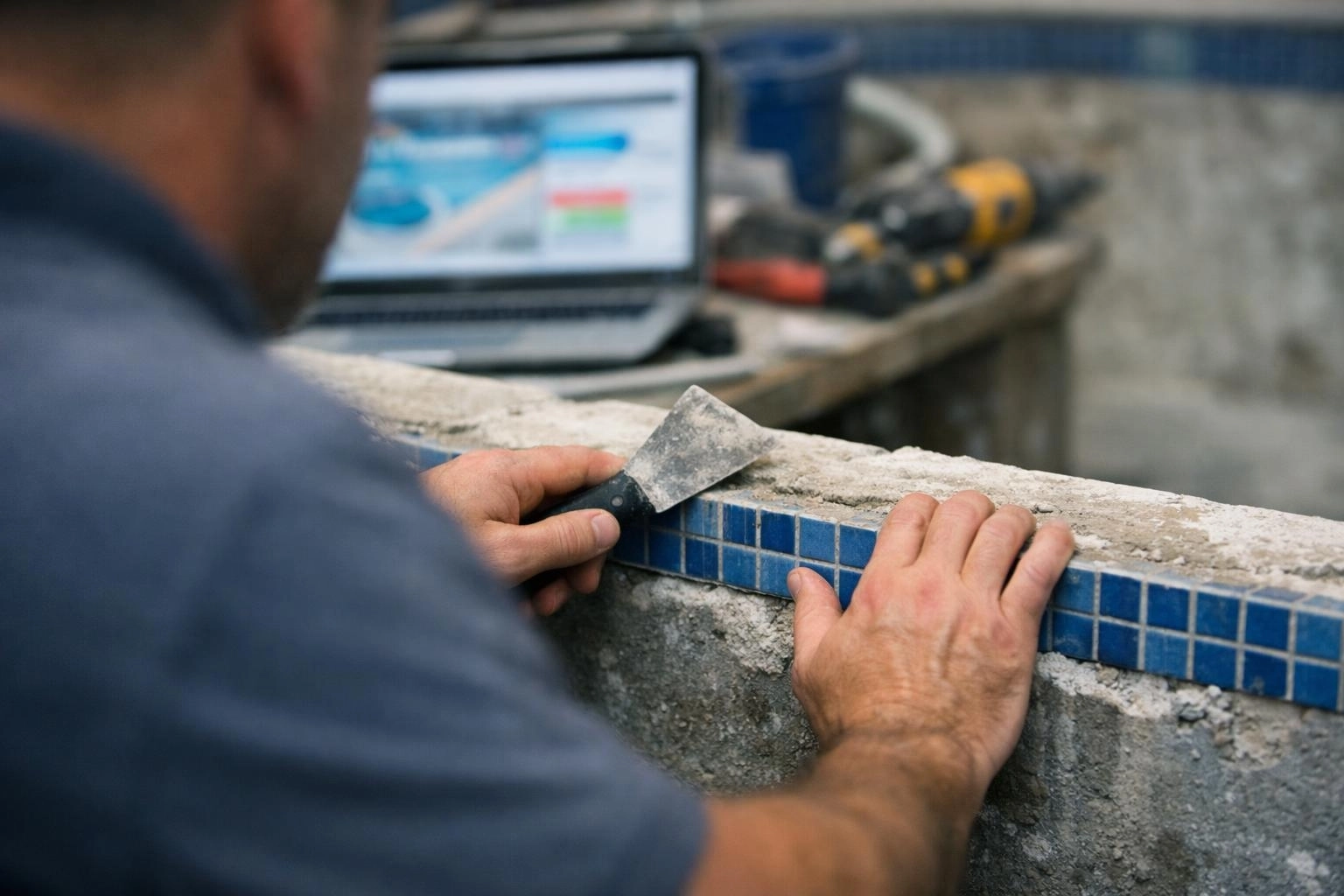
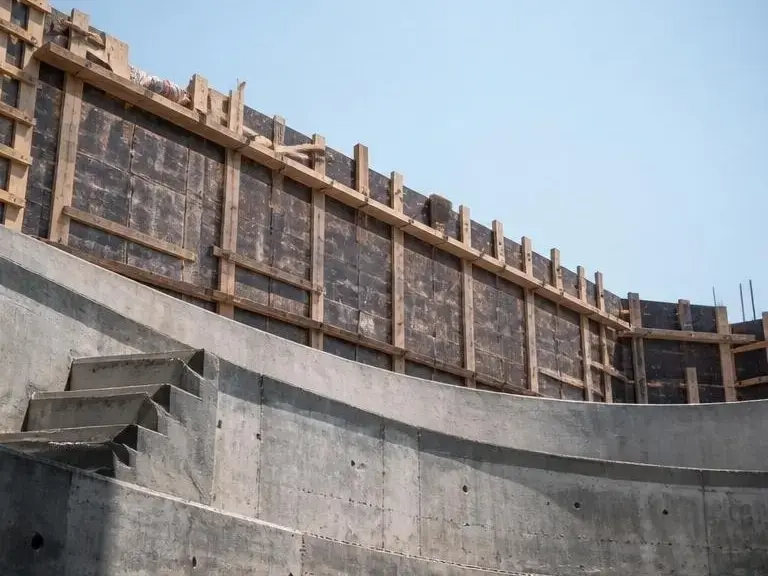
Most remodels begin with the shell and finish system. That means pool resurfacing, tile and coping replacement, and sometimes replastering when the old finish has worn out. After that, the project may move to deck repair, waterline tile updates, and changes to the surrounding hardscape so the pool feels coordinated instead of patched together.
Plumbing and mechanical work are often hidden, but they're very important. A worn filtration system, failing return lines, or outdated equipment can keep the pool from circulating well. A thoughtful pool equipment upgrade can also include automation, a better pump, or changes that support cleaner water and easier service.
| Project area | Typical work | Why it matters |
|---|---|---|
| Interior finish | Resurfacing, plaster, pool replastering | Improves comfort, appearance, and watertight performance |
| Tile and edge detail | Tile replacement, coping repair | Refreshes the waterline and protects the shell edge |
| Deck surface | Deck repair, drainage corrections | Improves safety and reduces cracking or pooling water |
| Plumbing and mechanics | Pump, filter, return line, leak repair | Supports circulation, water quality, and lower maintenance |
| Lighting and controls | LED lighting, automation controls | Adds convenience, energy savings, and better nighttime use |
In practice, the best remodels treat the pool as part of a larger outdoor renovation. That means checking drainage, looking at the skimmer and return lines, and making sure the new finish fits the rest of the yard. It also means planning for tree debris, staining pressure, and the kind of seasonal use common in this part of town.
How the Renovation Process Works from Inspection to Finish?
The renovation process starts with an inspection to identify surface damage, leaks, and equipment failures, then moves through demolition, preparation, installation, curing, and startup. In Sandy Springs, scheduling around weather and coordinating any needed approvals helps keep the project on time and ensures the finished pool performs correctly.
The best jobs follow a clear renovation timeline so the work stays organized and the pool is back in service without avoidable delays. A professional plan also reduces surprises by checking the shell, deck surface, plumbing, and equipment before the old finish comes off.
For Sandy Springs homeowners, the key is coordination. Humid spells, rain, and temperature swings can slow drying or finishing work, so experienced scheduling helps keep the remodel moving. The last step should always be a walkthrough so you know how to care for the new surface, automation, and water chemistry.
What Affects Pool Renovation Cost in Sandy Springs?
Pool renovation cost is driven by the scope of work, surface condition, material choices, equipment replacement, access to the backyard, and any permit or code-related requirements. In Sandy Springs, older pools, drainage concerns, and upgrades to energy-efficient systems can add complexity but also improve long-term value and lower upkeep.
Typical pricing changes start with materials. Basic resurfacing, upgraded plaster, premium tile, or larger design changes all move the budget in different directions. Labor also matters, especially when the job needs demolition, leak repair, deck repair, or multiple trades working in the same space.
Access can be a hidden cost driver. If equipment must be carried through a narrow side yard or the backyard has limited entry, the crew may need more time and coordination. That is common in some suburban lots where mature landscaping and tree cover shape how the project is staged.
| Cost factor | Typical influence | What homeowners should know |
|---|---|---|
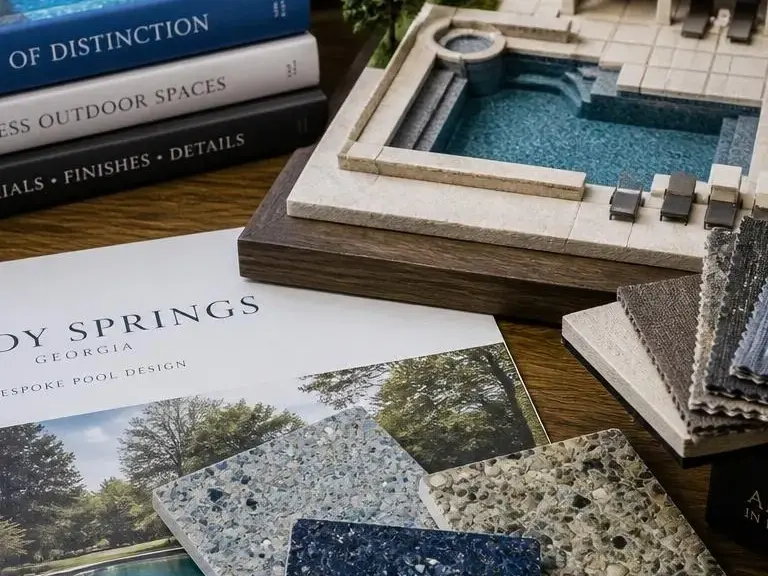
| Materials | Low to high, based on finish quality and fixture selection | Plaster, tile, coping, and decking choices shape the final look and lifespan |
| Scope of work | Small refresh to full remodel | Adding plumbing, lighting, or structure changes increases complexity |
| Labor | Varies with trade coordination and job difficulty | Demolition, prep, and precise installation take more time than simple repairs |
| Access limitations | Can add staging time and equipment handling | Tight yards, dense landscaping, and limited entry points slow the work |
| Permit requirements | May add planning and inspection steps | Code-aware updates are more common when plumbing, decking, or electrical changes are included |
| Condition of the pool | Can range from minor wear to major repair needs | Hidden issues like leaks or damaged gunite can change the budget after inspection |
For a practical estimate, many homeowners compare repair-only work against a broader pool upgrade. If the structure is solid, resurfacing and select equipment upgrades may be enough. If the shell, plumbing, and deck all need attention, the project may look more like full home improvement and outdoor renovation combined.
How to Choose the Right Remodel for Your Pool?
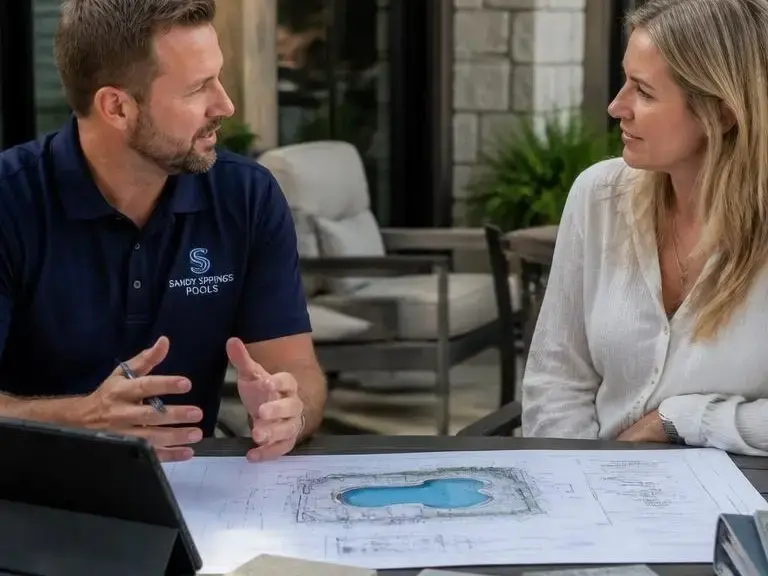
The right remodel depends on whether you want to repair damage, modernize the look, improve safety, or reduce maintenance. Sandy Springs homeowners often get the best results by fixing structural issues first, then choosing finishes and upgrades that match how often the pool is used and how much upkeep they want.
A good decision starts with budget and lifecycle planning. If the shell and plumbing are in fair shape, pool refacing, tile replacement, and an energy-efficient pump may deliver the biggest benefit. If the surface is failing, the deck is cracked, or leaks keep returning, a larger renovation may make more sense than repeated patching.
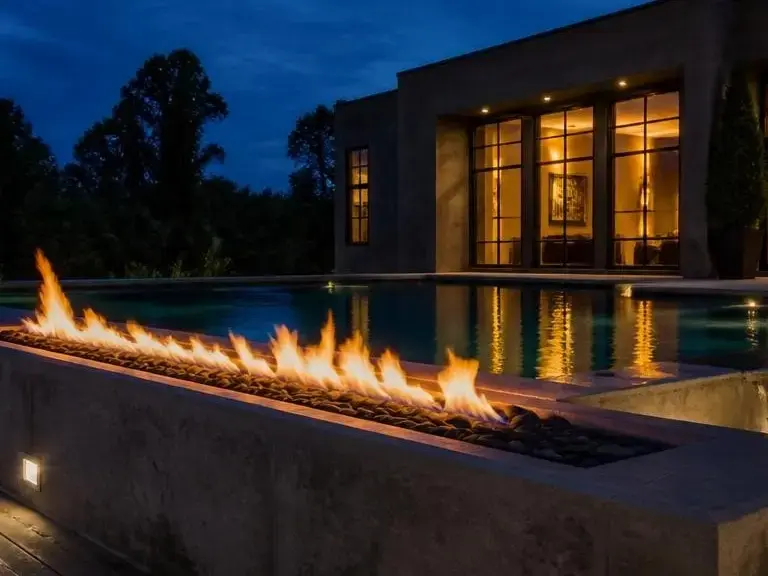
Think about your design goals too. Some owners want a simple, clean pool restoration. Others want a more noticeable pool remodeling project with updated lighting, automation, and a new finish that better matches the house and yard. Tree cover, staining, and debris load can also push the choice toward smoother surfaces and stronger filtration.
If you are comparing options, a knowledgeable contractor can help you separate needed repairs from nice-to-have features. That makes it easier to choose between a focused refresh and a larger outdoor renovation plan.