Gunite vs Fiberglass vs Concrete Pools in Sandy Springs, GA
Gunite pools give Sandy Springs homeowners the most custom options and fit luxury shapes well. Fiberglass pools install faster and usually need less upkeep. Concrete pools give you the most design freedom, but they need the most care. In Sandy Springs, choose gunite or concrete if you want a fully custom backyard that works with slopes, trees, and premium finishes. Choose fiberglass if you want faster installation, a smoother surface, and easier long-term care.
Gunite pools work best for custom luxury designs. Fiberglass pools work best for faster installation and lower maintenance. Concrete pools work best for maximum shape flexibility. In Sandy Springs, the right choice depends on your yard layout, your finish goals, and how much upkeep you want.
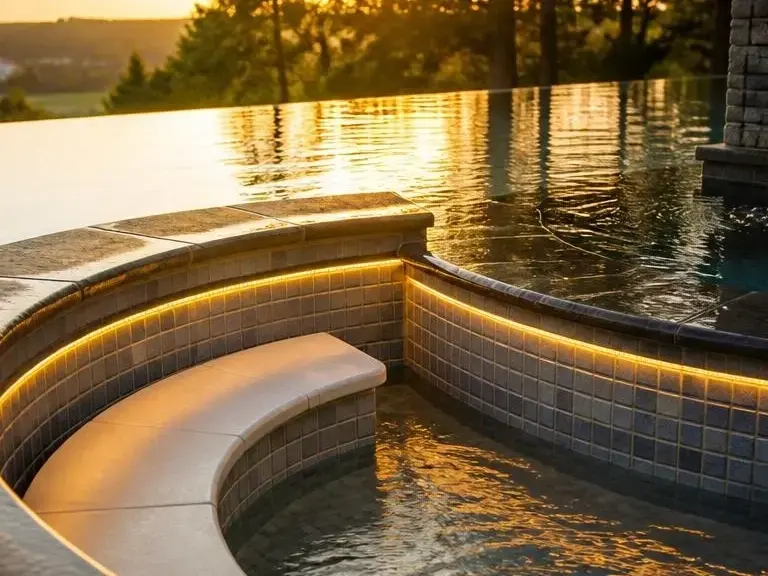
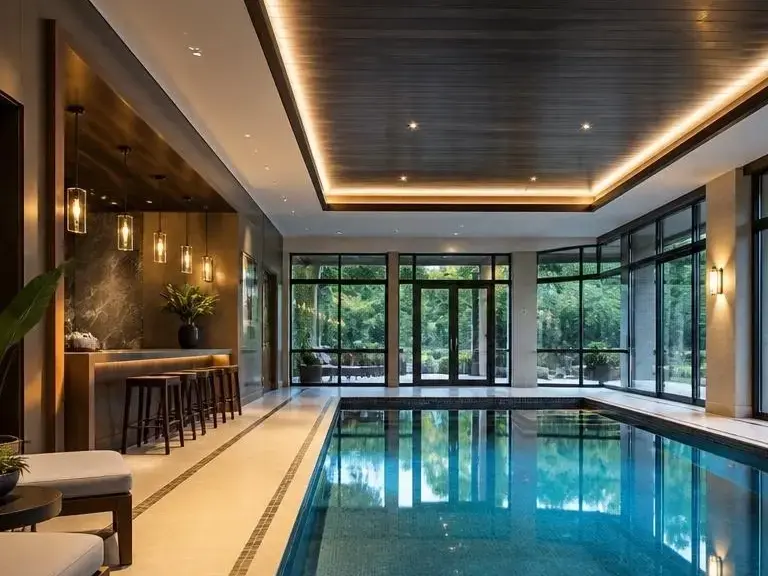
- Gunite pools work well if you want a true custom pool design, curved lines, and premium pool finish choices for a luxury pool.
- Fiberglass pools are a strong fit if you want a shorter installation timeline, a smooth surface, and simpler pool maintenance.
- Concrete pools are best when your backyard needs unusual dimensions, deeper customization, or a build shaped around landscaping and site access limits.
- In Sandy Springs, GA, shaded yards, mature trees, and sloped lots often make drainage, excavation, and cleanup part of the decision.
- For many residential pools, the best answer is the one that balances structural durability, resale value, and the amount of upkeep you want after the project ends.
The short version is simple: choose the shell that fits your site, your budget, and your comfort with maintenance requirements. A pool builder can compare in-ground pools with your grading, circulation system, and decking plan before you commit.
Quick Answers: Which Pool Type Fits Your Sandy Springs Home?
Gunite pools are the best fit for custom luxury designs, fiberglass pools are the best fit for faster installation and lower maintenance, and concrete pools are the best fit for maximum shape flexibility. In Sandy Springs, GA, the right choice depends on your yard layout, finish goals, and how much ongoing care you want.
If your lot has heavy shade, uneven grading, or tight site access, the build method matters as much as the design. A seasoned pool contractor can explain how drainage, excavation, and equipment placement affect the final result.
What Is the Real Difference Between Gunite, Fiberglass, and Concrete Pools?
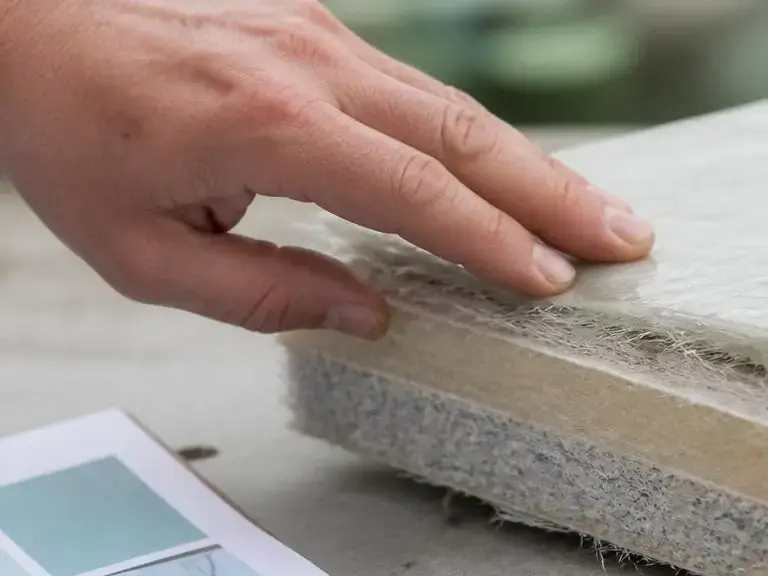
Gunite, fiberglass, and concrete pools differ mainly in how the pool shell is built, how much customization they allow, and how much maintenance they need. Gunite and concrete are built on site, so they offer more custom options. Fiberglass uses a pre-molded shell, so it installs faster and usually has a smoother surface that’s easier to clean.
| Pool Type | How It Is Built | Pool Shell | Pool Surface | Main Tradeoff |
|---|---|---|---|---|
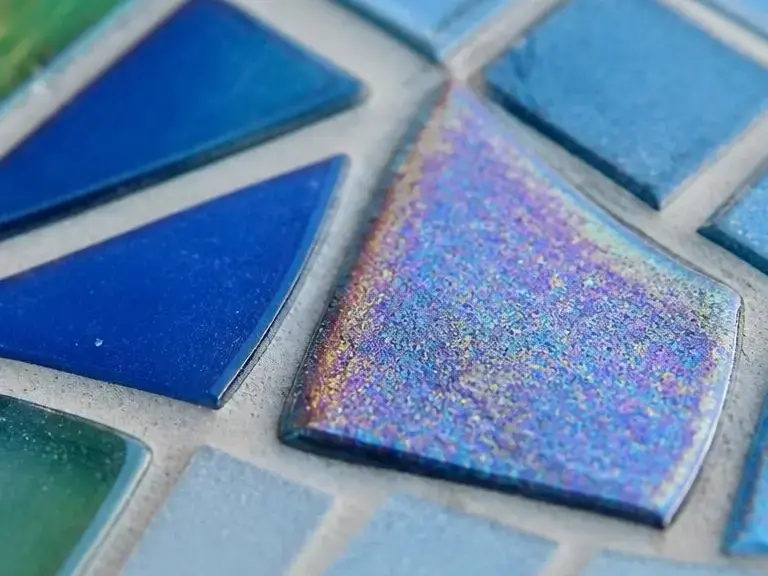
| Gunite | Sprayed concrete mix shaped on site over rebar | Field-built and highly adaptable | Plaster, pebble, or other finish options | Strong customization with more finish upkeep |
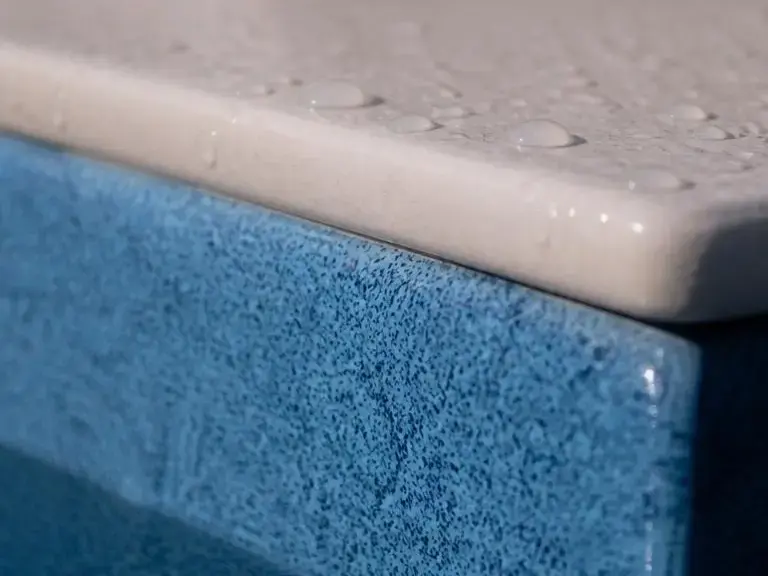
| Fiberglass | Pre-molded shell set into a prepared excavation | Factory-made, one-piece or sectional | Smooth gelcoat-style surface | Fast installation with limited shape choices |
| Concrete | Custom built on site with reinforced concrete methods | Highly tailored to the yard | Often plaster-finished concrete pools with many finish options | Maximum design freedom with the most maintenance |
Think of gunite as the flexible custom option, fiberglass as the efficient low-maintenance option, and concrete as the most adaptable build for unusual shapes. In practice, the shell you choose affects energy use and how often you’ll scrub the surface finish.
Which Pool Type Is Best for Cost, Durability, and Maintenance?
Fiberglass usually wins on low maintenance and faster installation. Gunite wins on customization and a premium look. Concrete wins when a homeowner wants a fully tailored build. For long-term value in Sandy Springs, the best choice depends on whether you want lower upkeep, more design control, or a luxury finish.
| Factor | Gunite | Fiberglass | Concrete |
|---|---|---|---|
| Installation cost | Typically mid to high, depending on custom pool design and site work | Often mid-range, with shorter labor time helping control cost | Usually the highest because of custom labor and finish complexity |
| Maintenance | Moderate to higher, especially for plaster finishes and surface care | Usually lower, with easier brushing and fewer porous-surface issues | Higher, with more attention needed for surface wear and chemistry |
| Durability | Strong structural durability when built well | Very durable shell, but shape options are limited | Very durable structure with finish care over time |
| Lifespan | Often long-lasting with periodic resurfacing | Typically long service life if installed correctly | Can last for decades with ongoing surface upkeep |
| Repairs | Surface and finish repairs can be more involved | Repairs may be simpler, but shell changes are limited | Repairs can be more frequent on the finish and joints |
Typical ranges vary by site, decking, filtration system, and landscaping, so no two residential pools cost the same. In a humid climate with a long swim season, algae resistance, circulation planning, and the right warranty coverage can matter as much as the initial quote.
How Do These Pool Types Perform in Sandy Springs Weather and Yard Conditions?
Sandy Springs, GA yard conditions often favor smart site planning as much as the pool type itself. Humid summers can increase algae pressure and make circulation planning more important. Tree-heavy lots add debris, so daily cleaning gets harder. Local hillside grading and drainage conditions can also increase excavation complexity, which is why custom site shaping often pushes homeowners toward gunite or concrete. Fiberglass can still be a smart choice when you want a smoother surface and fewer maintenance issues in a debris-prone yard, but the final fit depends on site access, slope, and landscaping.
Freeze-thaw cycles are usually less dramatic here than in colder markets, but they still matter for shell movement, coping, and waterproof detailing. Tree roots, soil movement, and runoff management should all be reviewed before construction begins. A good builder will coordinate grading, decking, and the filtration system so your pool handles seasonal storms and daily wear without constant fixes.
What Should You Ask Before Choosing a Pool Builder?
Before choosing a pool builder, ask about shell construction, surface options, drainage planning, equipment placement, warranty coverage, and how the builder handles Sandy Springs permitting and site conditions. The best contractor will explain tradeoffs clearly and match the pool type to your yard, budget, and long-term maintenance goals.
Also ask how they plan for drainage, soil movement, and tree protection if your yard has mature landscaping. A strong pool contractor should talk plainly about structural durability, energy efficiency, and the parts of the project that can change once excavation begins.
Frequently Asked Questions
Need Help Choosing the Right Pool?
If you are comparing custom pools for a home in Sandy Springs, GA, the best next step is to review your lot, budget, and maintenance goals with a builder who knows local grading, drainage, and permitting. A careful plan can protect your resale value and make the whole backyard feel more intentional.