Pool Opening Checklist for Sandy Springs Homeowners
A pool opening checklist helps Sandy Springs homeowners get the pool ready for spring and summer. It covers debris removal, equipment checks, water chemistry, circulation, and leak checks. In Sandy Springs, GA, early pollen, sudden warm spells, and spring storm debris make a careful opening even more important. A professional pool service can save time, prevent equipment failure, and catch repair issues before they get expensive.
What Should Be on a Pool Opening Checklist?
Pool opening checklist covers the steps needed to safely restart a pool after winter. It includes cleaning the cover area, inspecting equipment, checking water level, testing water chemistry, and making sure circulation works. In Sandy Springs, GA, this checklist helps prevent algae, pump strain, and early-season repair issues before swimming starts.
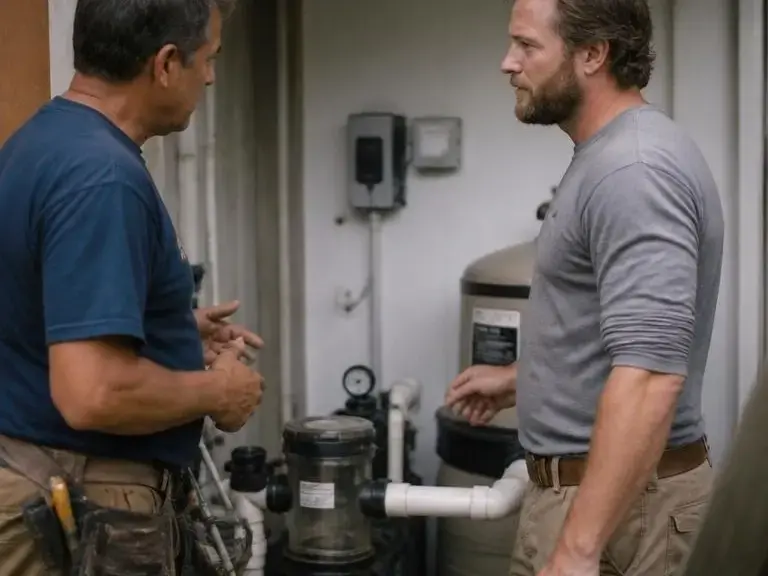
A solid spring pool startup plan starts with the basics. Remove debris, inspect the pool cover, and look over the deck, skimmers, pump, and filter system. The goal is to find problems before the system runs under load. Good equipment inspection also means checking visible plumbing, valves, and seals for wear.
Once the pool is clear, test the water and restore balance before heavy use begins. That means checking sanitizer levels, pH, alkalinity, and circulation so the water stays clean and clear. For many homeowners, this is where a pool startup checklist becomes more than a seasonal chore. It helps avoid pool maintenance problems and keeps the pool ready for the first warm weekend.
Before You Open the Pool: What to Inspect First
Before opening a pool, inspect the cover, deck, skimmer baskets, pump, filter, and visible plumbing for damage, standing water, or debris. In Sandy Springs, GA, early pollen, wetter spring storms, and leaf buildup can clog circulation fast, So the first inspection should focus on cleaning and spotting problems before equipment starts.
At this stage, debris removal matters more than speed. Sandy Springs properties often collect extra pollen in early spring, and shaded lots can hold leaves longer than expected. If the pool sat under a cover through a stormy week, wet debris can hide damage until you start the pump. A careful inspection now protects the rest of the spring pool opening process.
Pool Opening Steps to Follow During Startup
During pool startup, remove the cover, refill water to the proper level, prime the pump, restart the circulation system, test and balance the water, and shock the pool if needed. Sandy Springs homeowners should also confirm the heater, valves, and timers work correctly so the pool is safe and ready for regular use.
The chemistry step is especially important because pH can drift fast after winter. In hot, humid weather, sanitizer breaks down more quickly, and the water can turn cloudy if circulation is weak. A proper startup also confirms the heater is ready, since a stalled heater or stuck valve can slow the whole process and lead to pool repair later.
Many homeowners use a simple sequence: remove the cover, inspect equipment, start circulation, then fine-tune chemistry. That approach keeps the pool startup checklist organized and makes it easier to notice when a pump basket is not filling, a line is airlocked, or the filter needs attention. If anything seems off, stop and recheck before the system runs for hours.
After Opening: How to Keep the Pool Swim-Ready
After opening, keep the pool swim-ready by skimming debris daily, testing water regularly, cleaning the filter, brushing walls, and watching for cloudiness or algae. In Sandy Springs, GA, spring pollen and heat can change water conditions fast, so the first two weeks after opening are critical.
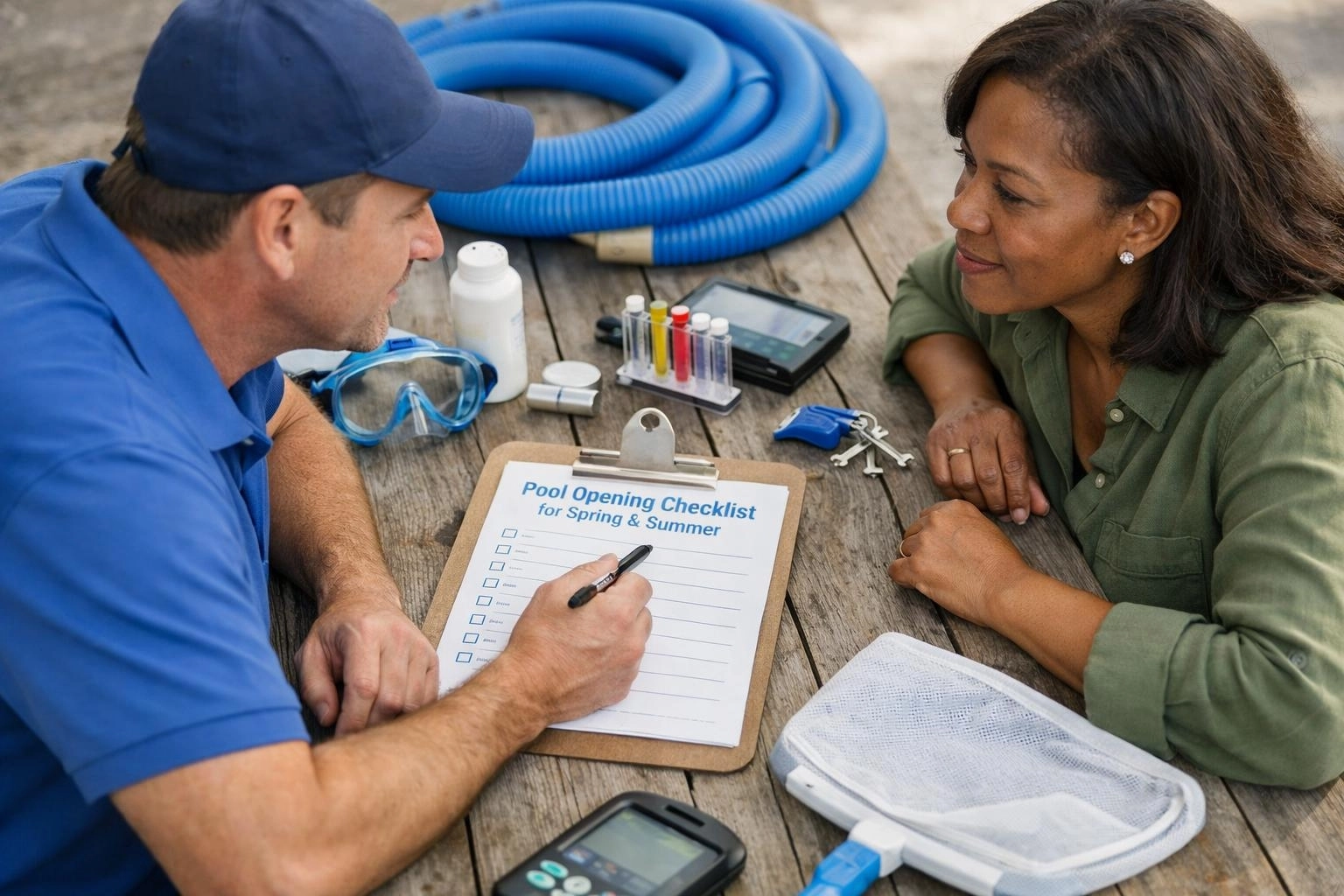
Typical spring care is simple, but it has to stay steady. In a local setting with heavy pollen and fast temperature swings, a pool can look fine one day and turn cloudy the next. That is why the first two weeks after pool opening need extra attention. If the water stays stable and the filter system stays clean, the rest of the season is usually easier to manage.
Red Flags That Mean You Need Pool Repair
Pool repair is likely needed if the system will not prime, water drops unexpectedly, the pool stays cloudy, the pump makes unusual noises, or cracks appear in tile or plumbing. These warning signs often show up during spring pool opening and should be handled before summer use adds more wear.
If one of these red flags appears, stop guessing and inspect the system. A small leak can turn into a larger service issue once the pump runs more often, and cloudy water can point to poor filtration, low sanitizer, or circulation trouble. Catching these problems early helps prevent a bigger interruption during peak swim season.
When to Call a Sandy Springs Pool Service Company?
Call a Sandy Springs pool service company when the opening process reveals leaks, electrical issues, stuck valves, low circulation, or chemistry that will not stabilize. A local swimming pool contractor can complete the opening, diagnose hidden damage, and set up ongoing service so the pool stays ready through the hot season.
Professional pool services are especially useful when the system needs more than routine cleaning. A trained technician can pressure-test lines, check the pump and filter system, and verify that all valves and automation controls work the way they should. That matters in neighborhoods where spring storm debris and heavy leaf drop in shaded residential lots can clog skimmers and strain circulation right after opening.
It is also smart to bring in help when the water will not hold a stable balance. If chlorine demand stays high, the pH keeps drifting, or algae returns after treatment, a service visit can reveal the real cause. In hot, humid summer conditions, those issues can worsen fast, which is why many homeowners choose a maintenance plan before the first busy stretch of the season. The right local service can turn a stressful opening into a smooth start.
If you want a second set of eyes on startup, a swimming pool contractor can confirm the equipment is safe, make repairs before they spread, and keep the pool on track for the rest of the summer.
Frequently Asked Questions
Need help with your pool opening or a startup issue you do not want to chase alone? A local service team can inspect, clean, and tune the system so you can get back to swimming sooner.
Get a Free EstimateSchedule service with a Sandy Springs pool expert to get your pool ready for the season.