Concrete Pool Construction for Sandy Springs Homes
Concrete pool construction builds a durable, custom swimming pool. The process includes excavation, steel reinforcement, concrete placement, and a finish of plaster, tile, or pebble. In Sandy Springs, GA, it’s a strong choice for homeowners who want flexible design and a pool that fits local soil and weather.
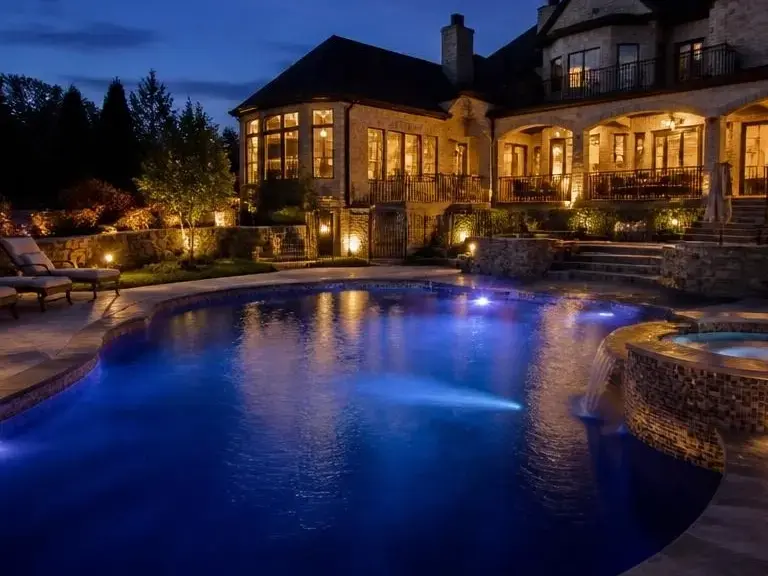
Concrete pool construction is a key part of pool construction for Sandy Springs homes, especially when you want a custom pool design that fits your yard, your grade, and your long-term plans. The build starts with a reinforced concrete shell and ends with finish choices that shape the look, feel, and upkeep.
For local homeowners, the appeal goes beyond looks. Concrete pools can handle odd lot shapes, steep slopes, and detailed features that prefab options often can’t. They also work well with gunite/shotcrete methods, which are common for concrete pools and help crews form strong, flexible shells.
Because Sandy Springs, GA properties often deal with clay-heavy soil, moisture movement, and drainage needs, the build must be planned with care from the start. A good design also considers pool decking, coping, and nearby outdoor living areas, so the whole backyard works together. That’s why many owners compare this option with other pool construction methods before they decide.
What Is Concrete Pool Construction?
Concrete pool construction is the process of building a custom in-ground pool with a reinforced concrete shell, usually formed with steel rebar and finished with plaster or aggregate. It gives Sandy Springs homeowners wide flexibility in shape, depth, and features, while still offering a durable structure for long-term use.
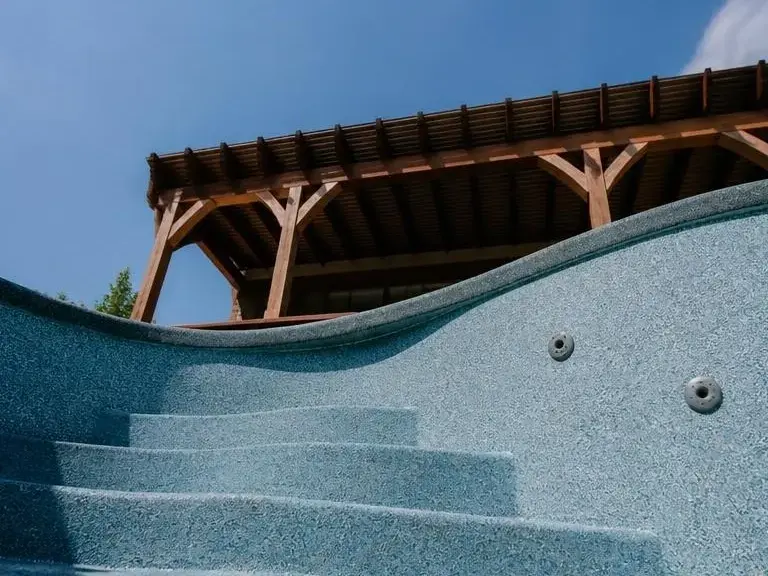
In practice, this type of build often means gunite pools or shotcrete pool building. Both use concrete and air pressure to create the shell over a rebar frame. The exact method depends on the builder and site, but the goal stays the same: a strong pool shell that fits the backyard layout.
Compared with other outdoor living construction projects, concrete pools give you the most freedom for custom shape, ledges, steps, tanning shelves, and built-in water features. The shell can pair with a plaster finish, exposed aggregate, or another surface, while tile line accents and coping define the edge and add durability.
When Does a Concrete Pool Make the Most Sense?
Concrete pool construction makes the most sense when the backyard needs a custom shape, a steep lot, built-in features, or a premium finish that prefab pools can’t match. For Sandy Springs homes, it’s especially useful when the site or the design calls for a tailored build instead of a standard footprint.
Concrete is also a smart choice when the site needs better drainage planning. In neighborhoods where seasonal rain can soak the yard, the design should account for runoff, backfill, and grade changes. That helps keep water from building up around the shell or nearby hardscape.
Which Steps Are Involved in Building a Concrete Pool?
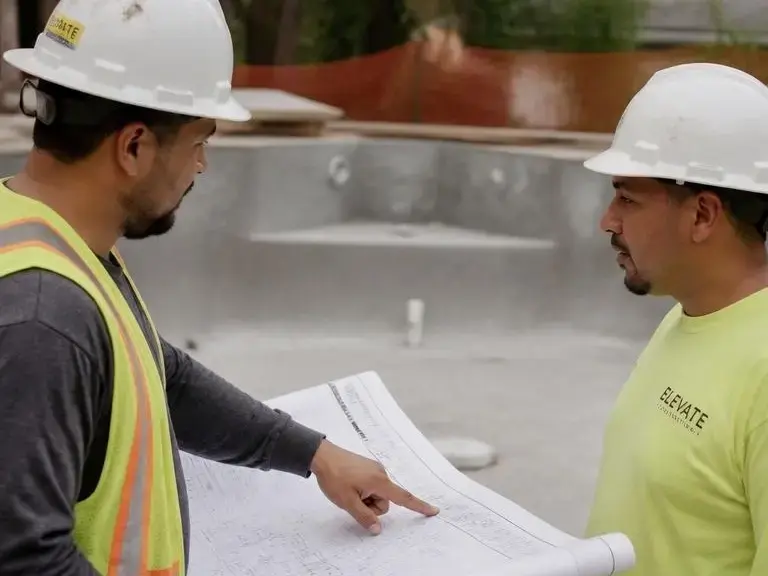
Concrete pool construction follows a clear sequence: design and layout, excavation, steel reinforcement, plumbing and electrical rough-ins, concrete shell application, curing, waterproofing, surface finish, and final startup. Each step matters because mistakes in grading, reinforcement, or curing can shorten the pool’s life and raise maintenance needs.
On local projects, permits and inspections can affect the order of these steps. Builders often need electrical, plumbing, and setback approvals before construction can move ahead, so schedule planning is part of the work from day one.
What Services Usually Pair With Concrete Pool Construction?
Concrete pool construction is often paired with deck installation, drainage improvements, retaining walls, outdoor kitchens, and landscape work because the pool changes the backyard grade and traffic flow. Combining these services helps Sandy Springs homeowners control runoff, improve safety, and create a finished outdoor living space.
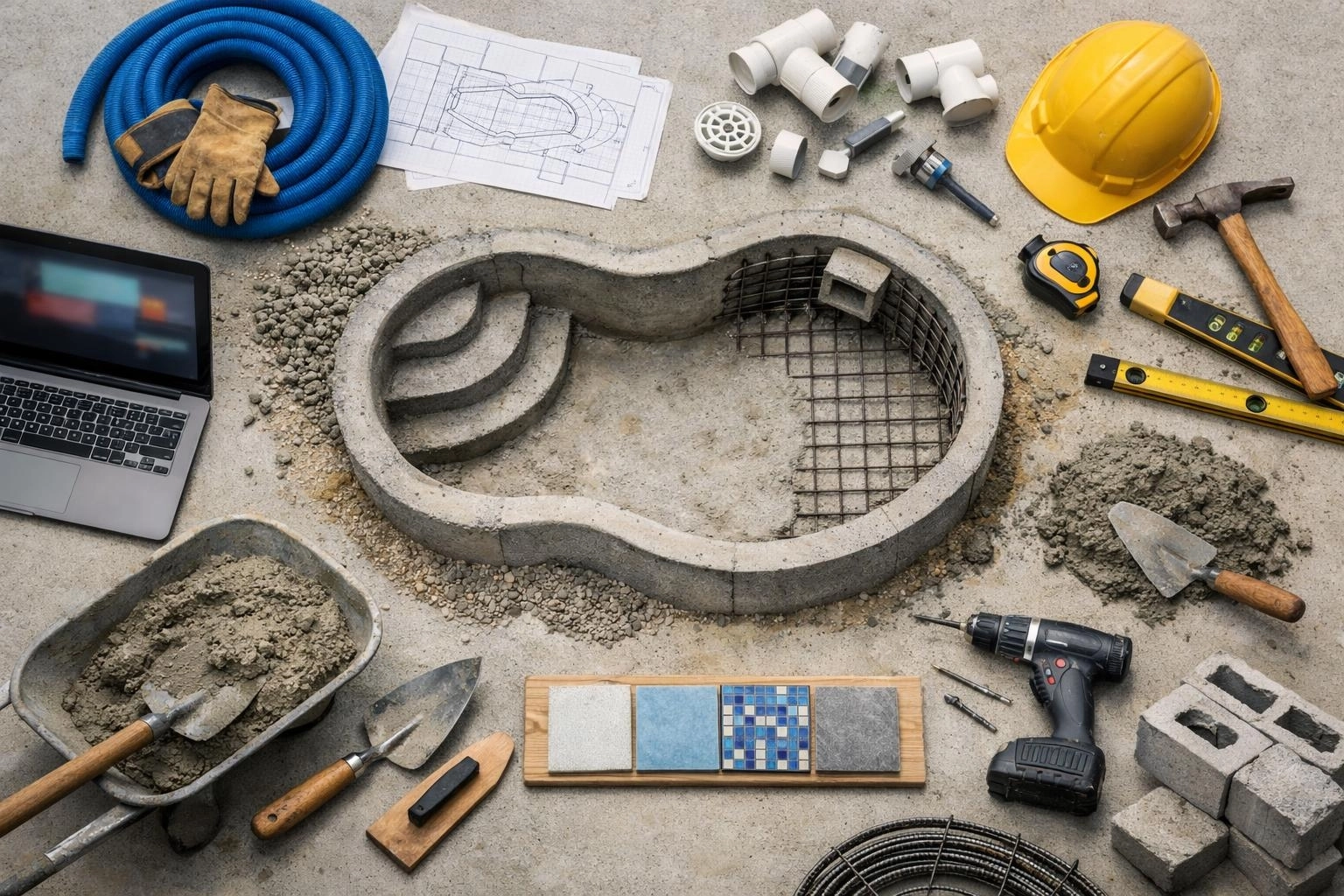
These services work best when they’re planned together, not one at a time. Coordinated pool construction helps the finished space look planned and keeps grading, runoff, and access paths in the right place.
How Do You Plan for Sandy Springs Permits, Soil, and Weather?
Concrete pool construction in Sandy Springs must account for local permitting, drainage design, soil movement, and seasonal rain patterns that can complicate excavation and backfill. A well-planned project lowers structural risk, helps prevent water pooling, and keeps the build aligned with local rules and site conditions.
Local permits and inspections can shape the schedule, especially when electrical work, plumbing layout, and setback compliance must be approved before the next stage starts. That’s why experienced builders build coordination time into the plan instead of treating approvals as an afterthought.
Soil conditions in North Metro Atlanta are often clay-heavy and moisture-sensitive. That means grading, compaction, and backfill details matter more than many homeowners expect. If the soil shifts or holds too much water, the pool shell, surrounding decking, and nearby walls can face stress over time.
Stormwater drainage and seasonal rain also affect excavation. Heavy rain can slow digging, create muddy access, and force crews to protect open trenches and prepared surfaces. Good planning includes runoff control, temporary water management, and finish grading that moves water away from the pool and nearby structures. In Sandy Springs, GA, that local awareness is often what keeps a build moving smoothly.
How Do Concrete Pools Compare With Other Pool Types?
Concrete pools outperform vinyl liner and fiberglass options when the goal is full customization, complex shapes, and a highly durable shell. They usually take longer to build and need more upfront planning, but they give Sandy Springs homeowners the most design freedom and the strongest long-term structural flexibility.
| Pool type | Customization | Durability | Typical build profile |
|---|---|---|---|
| Concrete pools | Highest; ideal for a custom shape, special depths, and built-in features | Very strong when designed and cured correctly | Longer planning and construction, but the most flexible option |
| Fiberglass pools | Limited to factory-made molds | Durable, but less adaptable to odd lots or steep grades | Often faster to install with fewer finish choices |
| Vinyl liner pools | Moderate, with more shape options than fiberglass but less than concrete | Good structure, but the liner needs periodic replacement | Lower upfront cost, more liner maintenance over time |
If a homeowner wants a simple shell, fiberglass may be enough. If the goal is a highly tailored outdoor living construction project with room for future features, a custom in-ground pool build using concrete is usually the stronger fit.
What Should Sandy Springs Homeowners Ask Before They Start?
Before starting concrete pool construction, Sandy Springs homeowners should ask about timeline, finish options, maintenance needs, drainage planning, and how the builder handles permits and inspections. Clear answers up front help prevent delays, budget surprises, and design changes after excavation starts.
It also helps to ask whether the pool builder has experience with steep grades, clay soil, and coordinated backyard construction. Those details often separate a smooth project from one that needs costly rework later.
Frequently Asked Questions
Related Resources
Pool Construction Preparation Checklist
pool construction checklist
Everything About ItInground Pool Builder: Everything You Need to Know
inground pool builder
Everything About ItGunite, Fiberglass, and Concrete Pools: Which One Is Right for You?
gunite vs fiberglass vs concrete pools
What It CostsPool building cost in Sandy Springs, GA
pool building cost