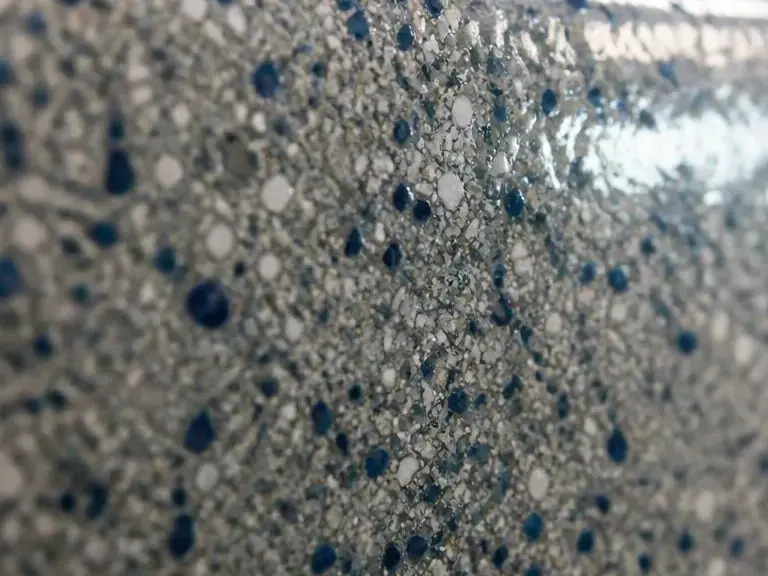
Gunite, Fiberglass, and Concrete Pools in Sandy Springs, GA
Gunite pools give Sandy Springs homeowners the most design freedom and a high-end look. Fiberglass pools install faster and need less upkeep. Concrete pools offer strong durability and deep customization, but they also need more care. Choose gunite if you want a custom backyard retreat, fiberglass if you want less maintenance and a quicker build, and concrete if you want a site-built pool with complex design options.
Quick Answers: Which Pool Type Fits Your Sandy Springs Home?
Gunite pools fit homeowners who want the most custom options and a luxury finish. Fiberglass pools fit buyers who want faster installation and simpler care. Concrete pools fit projects that need structural flexibility and a custom shape. In Sandy Springs, the best choice depends on yard access, design goals, maintenance comfort, and long-term budget.
What Is the Real Difference Between Gunite, Fiberglass, and Concrete Pools?
Gunite, fiberglass, and concrete pools differ mostly in how they’re built, how much you can customize them, and how much care they need. Gunite and concrete are built on site and allow more custom work. Fiberglass arrives as a preformed shell and goes in faster. The right choice depends on your design goals, yard access, upkeep, and long-term ownership plans.
| Pool type | How it is built | Pool shell | Finish surface | Design flexibility |
|---|---|---|---|---|
| Gunite | Sprayed and shaped on site around steel reinforcement | Custom gunite pool shell | Plaster, pebble, or other specialty finishes | Very high for custom pools |
| Fiberglass | A factory-made shell is delivered and set in place | Fiberglass shell pool | Smooth gelcoat-style surface | Moderate with fixed shapes and sizes |
| Concrete | A site-built reinforced pool structure formed and poured on location | Reinforced concrete pool | Plaster, tile, stone, or other premium finishes | Very high for luxury pools and unusual layouts |
In practice, gunite and concrete give you the most freedom, but they also ask more from the site and the owner. Fiberglass is simpler to install and often easier to maintain because the surface is smooth and less porous. For many buyers, the real decision is how the shell, finish, and backyard layout work together.
How Do Cost, Installation Time, and Maintenance Compare?
Fiberglass usually has the shortest installation time and the lowest routine maintenance. Gunite and concrete usually cost more upfront, take longer to build, and need more ongoing care, especially resurfacing later on. For Sandy Springs homeowners, the best value comes from looking at total ownership cost, not just the first build price.
| Category | Gunite | Fiberglass | Concrete |
|---|---|---|---|
| Installation timeline | Usually longer because the shell is built on site and finished in phases | Usually the fastest because the shell is preformed before delivery | Often the longest because of structural work, curing, and finish steps |
| Upfront cost | Typically mid to high, depending on custom features | Often the most budget-friendly of the three for comparable sizes | Typically high because of labor and customization |
| Maintenance cost | Moderate to high, with regular brushing and chemistry checks | Lower for many owners because the surface is easier to keep balanced | Moderate to high, especially as the finish ages |
| Resurfacing | Needed eventually as the finish wears | Less frequent, though surface care still matters | Often needed over the long term as the finish surface ages |
| Lifecycle cost | Can rise with custom finishes and future care | Often strong value because of low upkeep | Can be high due to build complexity and ongoing maintenance |
Typical costs vary by size, finish, and yard conditions, but the pattern stays the same. Fiberglass usually wins on day-to-day maintenance, while gunite and concrete can win on high-end design. In North Atlanta humidity, regular chemical balance matters a lot, since warm weather and a longer swim season can lead to algae if care slips. That makes finish durability and upkeep a big part of the decision.
Which Pool Type Works Best for Sandy Springs Yards and Lifestyle Needs?
Gunite and concrete pools work best when a Sandy Springs yard needs a custom shape, a steep-grade solution, or high-end features like tanning ledges and built-in spas. Fiberglass works best when access is easier and the homeowner wants a faster, lower-maintenance build. Yard layout and long-term use should guide the final choice.
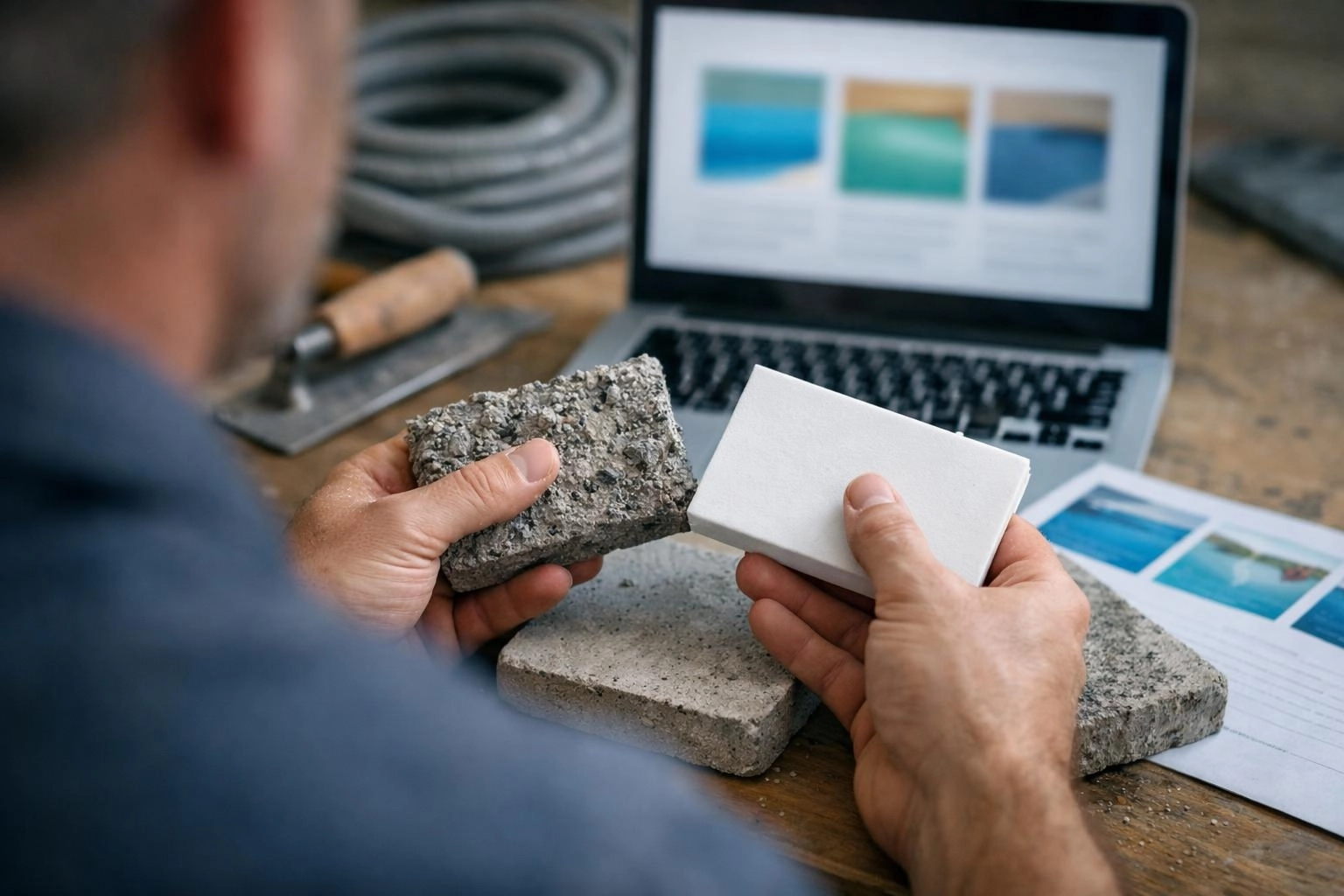
Many local projects are shaped by suburban lot sizes, mature landscaping, and site access. Those details can limit equipment staging and delivery routes. That’s why a pool contractor should study the backyard layout before recommending a shell type. Sloped yards and drainage-sensitive properties in Sandy Springs may also need custom grading, retaining, or structural pool solutions before the build can start.
Homeowners who want a luxury pool often choose gunite or concrete because these systems can support water features, larger entertaining areas, and a more tailored landscape plan. If the yard has tight access or a small footprint, a simpler fiberglass option may protect more of the existing property while still giving a polished look.
Is Fiberglass a Better Fit for Smaller or Tighter Lots?
Fiberglass pools are often a better fit for tighter lots because they install faster and avoid some of the complexity of a fully site-built shell. They’re also appealing when homeowners want a clean layout, a predictable build, and less day-to-day upkeep. On a small lot, the shorter installation time can also cut down on disruption to the rest of the yard.
When Does Gunite Make the Most Sense?
Gunite pools make the most sense when the homeowner wants a truly custom shape, built-in steps, spa spillovers, or a luxury finish that can be tuned to the property. It’s the strongest choice when design freedom matters more than speed or simple upkeep, especially when the backyard plan includes water features and outdoor living spaces.
What Are the Pros and Cons of Each Pool Type?
Each pool type has clear tradeoffs. Gunite gives you the most customization and strong luxury appeal, but it needs more maintenance. Fiberglass gives you fast installation and easy care, but fewer shape choices. Concrete is durable and customizable, but it usually has the most upkeep and the longest path to finish.
Think of the choice as a balance between design and ownership. Gunite and concrete are often chosen for a premium look and more custom pool design options, while fiberglass is favored when speed, simplicity, and lower daily care matter most. The best match is the one that fits your budget, your maintenance needs, and how you plan to use the yard.
How Long Do Gunite, Fiberglass, and Concrete Pools Last?
Gunite and concrete pools can last for many years when they’re built and maintained well, but their finish surface will eventually need attention. Fiberglass pools also offer long service life and often keep maintenance simpler because the shell is smooth and less porous. Lifespan depends heavily on build quality and care.
Structural durability is only part of the story. Surface wear can change how the pool looks and feels long before the structure itself has a problem. That’s why pool resurfacing is a normal long-term step for many site-built pools. In a humid climate with a long swim season, chemical balance and regular care help reduce wear on all residential pools.
For Sandy Springs homeowners, the best lifespan usually comes from proper installation, smart water care, and a shell type that fits the property. A well-built fiberglass shell pool may offer a long, low-hassle life, while a site-built reinforced pool can also perform very well if the finish and maintenance plan stay in good shape.
What Questions Should You Ask Before You Build?
Before building, ask about site access, expected timeline, maintenance requirements, finish options, warranty coverage, and how the design fits your yard. In Sandy Springs, it also helps to ask how the contractor handles local permitting, drainage, and grading issues that can affect the schedule and final cost.
These questions help you compare more than price alone. They also show whether the pool contractor understands local permitting, backyard renovation logistics, and the realities of working in a built-out suburb. A strong answer should explain how the project will fit your property, not just the brochure.
Frequently Asked Questions
Cost and Value
Gunite is better if you want a custom pool design, luxury features, and maximum shape flexibility. Fiberglass is better if you want faster pool installation and lower maintenance. The better choice depends on your backyard layout, budget, and how much upkeep you want.
Durability and Lifespan
Gunite is a sprayed concrete-like mix applied over steel reinforcement, while concrete pools here refers to a broader site-built reinforced pool structure. Both are highly customizable, but the build method and finish details can differ.
Maintenance and Customization
Fiberglass pools are usually the easiest to maintain because the finish surface is smooth and less porous. That often means simpler cleaning, steadier chemical balance, and fewer finish-related repair needs than many site-built pools.
Local Planning and Build Process
Gunite builds usually take longer than fiberglass because the pool shell is created on site and the finish steps come later. The schedule can change with weather, grading, permit approval, and the complexity of the custom pool design.