Can You Remodel an Existing Pool in Sandy Springs, GA?
Yes, you can remodel an existing pool in most cases, and the right plan depends on the pool’s structure, age, and your goals. In Sandy Springs, GA, many pools can get cosmetic updates, resurfacing, tile and coping replacement, equipment upgrades, or layout changes. A local pool renovation contractor can inspect the shell, plumbing, and deck to confirm what’s possible and avoid costly mistakes. For older pools, new finishes and systems often modernize the pool faster than a full rebuild.
Can You Remodel an Existing Pool in Sandy Springs?
Yes, an existing pool can usually be remodeled in Sandy Springs, GA, because most backyard pools fit renovation better than replacement. The real question isn’t whether you can do pool remodeling, but how far the renovation scope can go after the shell, plumbing, deck, and equipment get checked. Pool renovation contractors look for cracks, leaks, poor drainage, worn finishes, and aging systems before they suggest a plan.
In many local neighborhoods, the best results come from a practical pool update instead of a full rebuild. If the structure is sound, you can often improve the look and function with cosmetic changes, resurfacing, new lighting, or an equipment upgrade. Sandy Springs humidity and long warm seasons make durable finishes and efficient systems especially useful, since the pool gets more use and more wear over time.
Older suburban backyard pools in Sandy Springs often need deck transitions and drainage checked before any cosmetic work begins. That matters because water movement around the pool can damage the shell, stain finishes, or create trip hazards. A careful inspection helps decide if the project is simple home improvement or a larger outdoor renovation with deeper repairs.
What Can Be Changed on an Existing Pool?
An existing pool can often change in useful ways without a full rebuild. The most common cosmetic modifications and upgrades focus on visible surfaces, comfort, and daily performance. The biggest limits usually come from the pool shell, drainage, and plumbing layout, which can restrict how far the design can move.
Some changes are more limited than homeowners expect. For example, moving a main drain, changing a deep end shape, or adding major depth changes may need structural work that goes beyond a simple pool makeover. Still, many projects can gain a fresh look through tile and coping replacement, better lighting, and equipment modernization.
How to Modernize an Old Pool Without Rebuilding It?
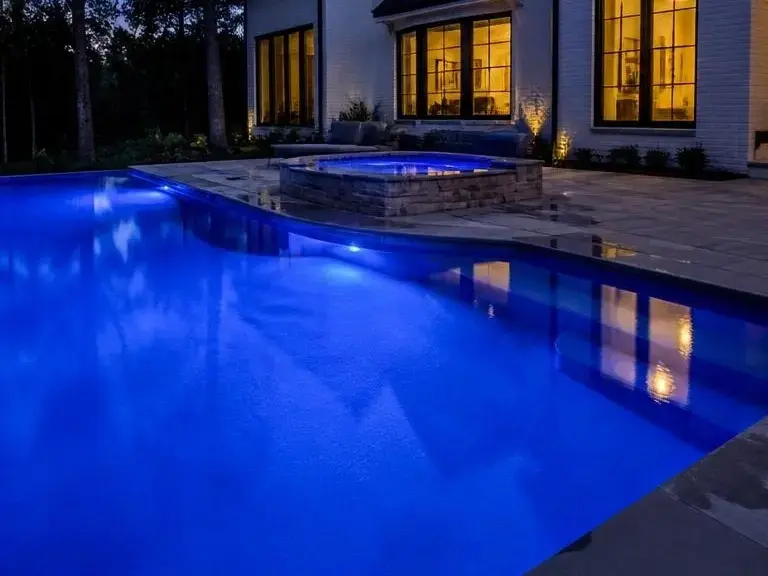
An old pool is modernized best by mixing visible updates with performance improvements. New pool finishes, refreshed tile, upgraded coping, efficient pool equipment, and better lighting can make the space feel new without tearing out the shell. In Sandy Springs, this is often the preferred approach when the structure is still solid but the style and systems are dated.
Start with the parts you see every day. Replacing faded plaster, updating the waterline tile, and refining the edge detail can change the whole feel of the backyard. Then improve the parts that affect comfort and upkeep, such as the pump, filter, automation, and heater. That mix of appearance and function is what turns a basic pool update into a true renovation.
It also helps to look at the transition between the pool and the surrounding deck. In North Atlanta, seasonal demand can affect contractor scheduling, so planning early matters. A local contractor can coordinate resurfacing, repairs, and equipment work in a sequence that cuts downtime and keeps the project moving.
For many homeowners, the smartest remodel is not a dramatic redesign. It’s a focused plan that restores the finish, improves efficiency, and adds better controls so the pool works like a newer one.
Is Refinishing a Pool Considered Remodeling?
Yes, refinishing a pool is often part of pool remodeling, but it usually covers the surface layer rather than the whole project. Resurfacing or replastering changes the interior finish, which can improve comfort, appearance, and durability. By itself, it’s a narrower renovation.
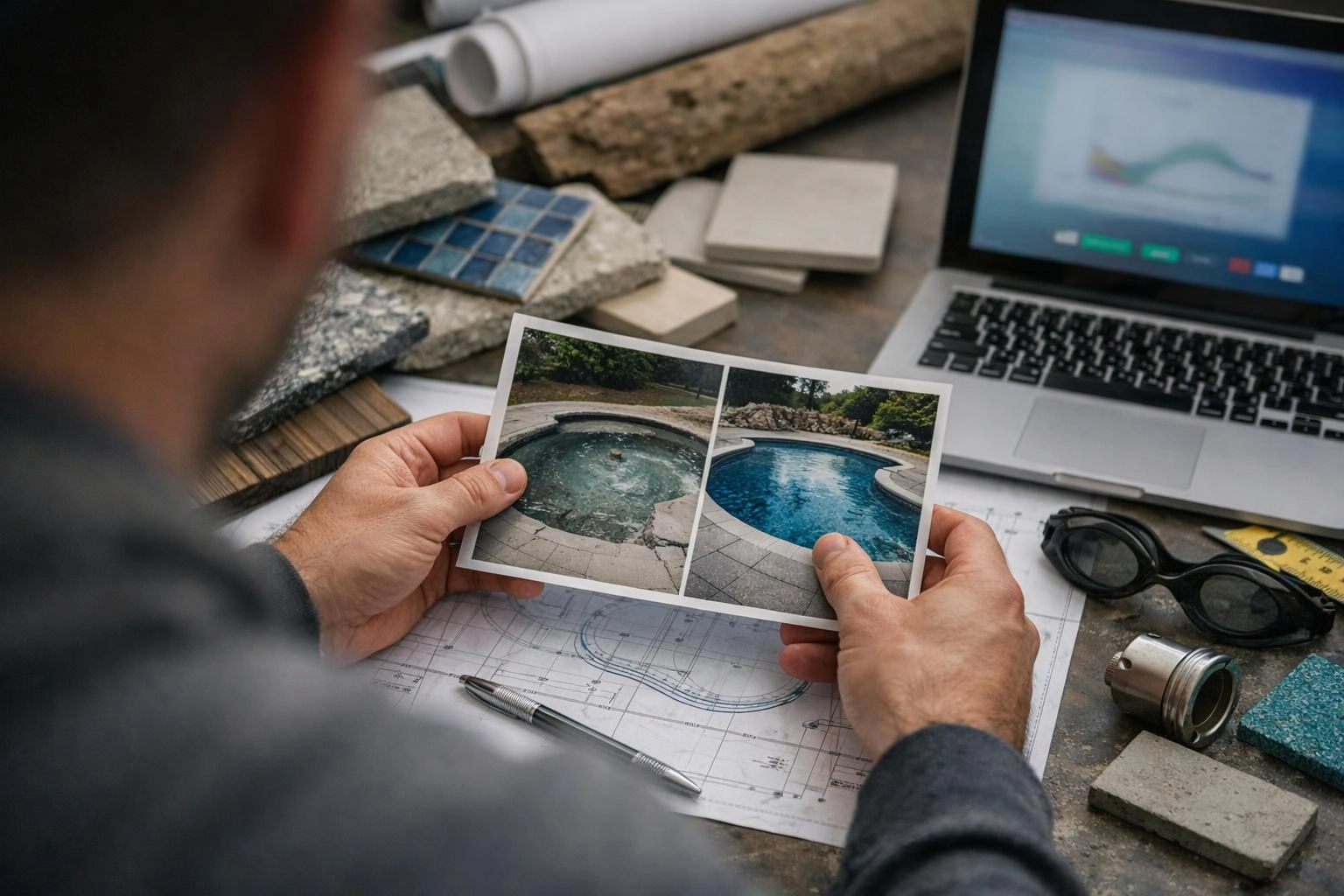
When refinishing is combined with tile replacement, coping work, lighting updates, or an equipment upgrade, the job becomes a broader pool renovation. That’s why many contractors treat the surface work as one piece of a larger plan, especially when the pool is older and the surrounding systems also need attention.
In practical terms, a refinishing project can be the first step in a full pool update. If the shell is sound and the finish is the main problem, the work may be enough to give the pool a modern feel without changing the layout.
Replaster or Resurface: Which Is Better for Your Pool?
Replaster is usually the right choice when the current interior finish is rough, worn, or failing and you want to restore the pool with a new plaster surface. Resurface is the broader term and can include plaster, aggregate, and other finish systems. The better choice depends on the pool’s age, condition, and the look you want to achieve.
| Option | Best For | What It Changes | Typical Fit |
|---|---|---|---|
| Replaster | Pools with a failing or tired plaster interior | Restores a smooth, fresh finish inside the shell | Good for many aging residential pools |
| Resurface | Pools that need a broader finish refresh | May include plaster, aggregate, or specialty finishes | Best when you want more design choice |
| Surface plus upgrades | Older pools needing more than a cosmetic change | Pairs interior finish work with tile, coping, or equipment | Best for a fuller pool renovation |
If the goal is simple recovery, replastering may be enough. If you want a more durable or custom result, a broader resurfacing project can make sense. A pool contractor can help compare the finish systems based on pool age, maintenance goals, and how much modernization you want.
What Are the Most Common Renovation Mistakes?
The most common renovation mistakes are skipping the inspection, choosing finishes before checking the structure, and underestimating hidden damage. A good pool contractor should confirm the shell condition, plumbing, and deck details before the work starts, or the project can go in the wrong direction.
In Sandy Springs, drainage, decking transitions, and older backyard systems need special attention because many pools were built before modern efficiency and layout standards. Careful planning helps protect the budget and keeps the pool renovation aligned with the property’s actual condition.
Pool Remodeling Timeline: Small, Average, and Large Projects
Pool remodeling timelines vary by project size, material availability, and how much repair work is needed. Small projects are usually cosmetic, average projects add surface and equipment work, and large projects may include layout changes or deeper structural repairs. A local contractor can sequence the work to reduce downtime and coordinate inspections.
| Project Size | Typical Scope | Typical Duration |
|---|---|---|
| Small | Cosmetic modifications, lighting, minor tile work | Usually 1 to 2 weeks |
| Average | Resurfacing, coping and tile replacement, equipment upgrade | Usually 2 to 4 weeks |
| Large | Layout changes, drainage fixes, structural repairs, full makeover | Usually 4 to 8+ weeks |
In North Atlanta, scheduling can stretch during busy seasons, so planning ahead helps avoid delays. If materials, inspections, or repairs are involved, the timeline can shift, but a clear plan usually keeps the project moving in order.
Frequently Asked Questions
Yes, you can remodel an existing pool into a modern, updated, and more useful pool through renovation and remodeling. The smartest plan starts with the shell, drainage, and equipment, then moves into the visible upgrades that improve the look and feel of the backyard.
If you want help planning a Sandy Springs pool renovation, contact a local specialist through our contact page. A careful review can show whether your pool needs resurfacing, tile and coping replacement, or a fuller makeover.
Get a Free EstimateRelated Resources
Pool Renovation Checklist Before You Remodel
pool renovation checklist
What Goes With ItPool Renovation and Remodeling
Everything About ItPool Renovation and Pool Remodeling: Complete Guide
pool renovation and remodeling
What It CostsPool renovation cost in Sandy Springs, GA
pool renovation cost