Pool Installation Types for Sandy Springs, GA Homes
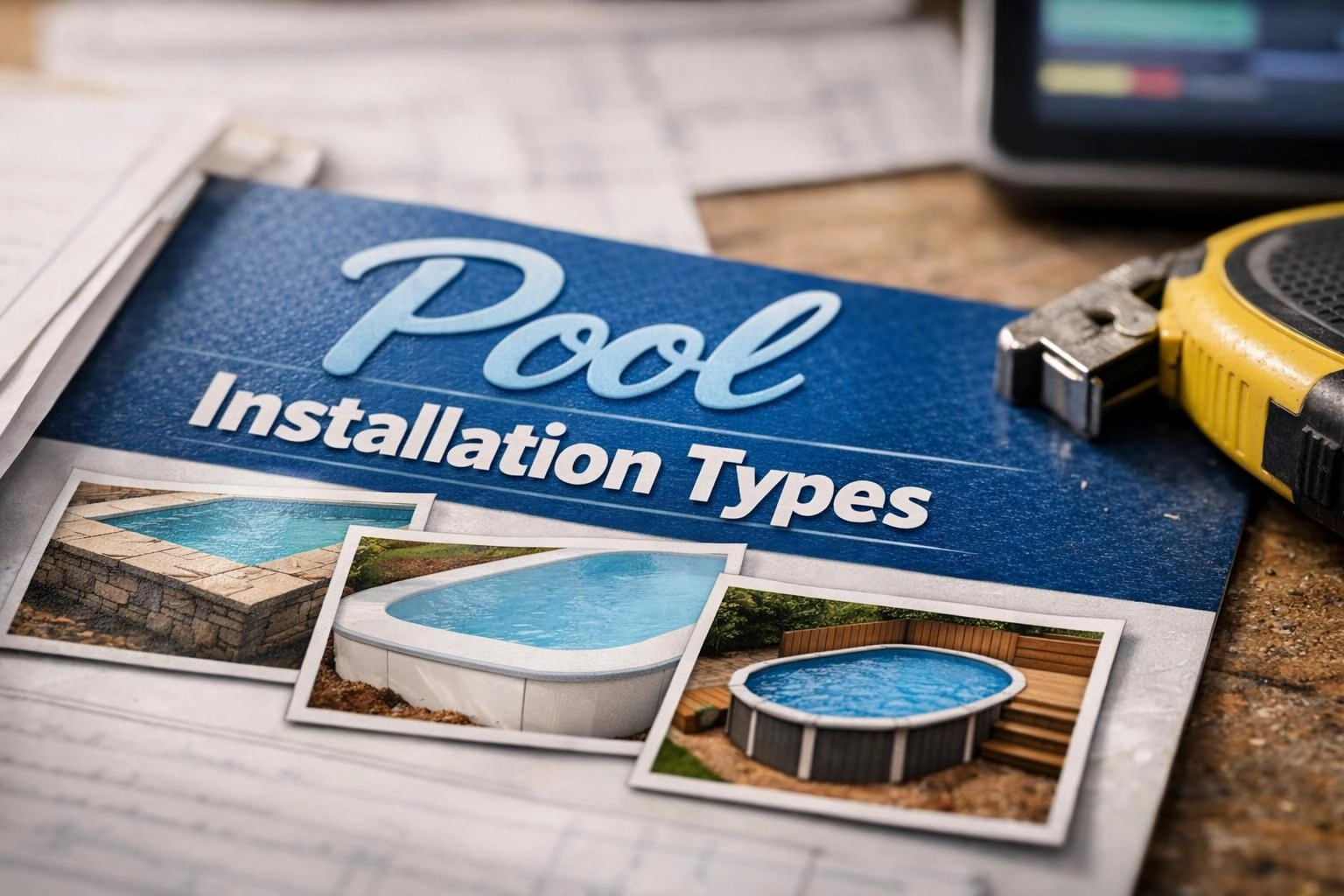
Pool installation types include above ground, in-ground, fiberglass, vinyl liner, and concrete pools. In Sandy Springs, GA, the best choice depends on budget, yard size, soil conditions, maintenance needs, and install time. A local pool builder can help you compare options and choose the right fit.
Pool installation types include above ground and in-ground pool systems for Sandy Springs, GA homes. The best choice depends on your budget, yard layout, and how much custom work you want. A local pool installation contractor can also explain pool installation services, permits, and site prep before work begins.
What Are the Main Pool Installation Types?
| Type | Key Features | Typical Cost | Best For |
|---|---|---|---|
| Above ground pool | Fast install, simpler site prep, smaller footprint, less digging | Usually the lowest of the pool types | Homeowners who want lower upfront cost and quicker use |
| Fiberglass pool | Prebuilt shell, smooth surface, low upkeep, faster in-ground install | Midrange, often below custom concrete | Buyers who want speed and easier maintenance |
| Vinyl liner pool | Flexible shapes, softer finish, liner replacement over time | Midrange | Families wanting design flexibility on a moderate budget |
| Concrete pool | Highly custom, durable, can include special shapes and finishes | Typically the highest | Owners who want premium design and long-term customization |
| Gunite pool | A form of concrete pool construction using sprayed concrete over rebar | Premium range | Yards that need a fully custom pool shell |
Pool installation services cover the full build process, from excavation and grading to the pool shell, filter system, and final finish. The main pool installation types are the broad ways a pool is built and set into a property, including above ground, fiberglass, vinyl liner, and concrete systems. In Sandy Springs, the right choice depends on site conditions, maintenance goals, and how quickly you want water in the backyard.
Pool installation types compare differently on cost, features, durability, and installation speed. Above ground pools usually cost less and install faster, while concrete pools offer the most design freedom. Sandy Springs homeowners should compare each option against yard access, long-term care, and local build conditions.
Pool Installation Types Compared by Cost, Features, and Best Use
| Type | Cost Profile | Features | Best Use |
|---|---|---|---|
| Above ground | Lower upfront cost, smaller site work, faster turnaround | Portable feel, limited design options, simple maintenance | Budget-conscious projects and compact yards |
| Fiberglass | Moderate-to-high, depending on shell size and access | Smooth surface, low algae buildup, quick set time | Homeowners who want a fast, low-maintenance in-ground option |
| Vinyl liner | Midrange with future liner replacement costs | Flexible shapes, softer touch, many design choices | Families seeking balance between price and customization |
| Concrete | Higher upfront cost and longer build time | Custom shape, premium finish, strong durability | Large or complex yards that need a tailored build |
| Gunite | Premium pricing with more labor and finish options | A type of concrete pool with excellent shaping freedom | High-end outdoor projects with detailed design goals |
Above Ground Pool Installation: When It Makes Sense
Pool installation above ground makes sense when you want a lower-cost pool with a faster install and less digging. It is also a good fit if your lot has limited access or you want to avoid major site prep. If you are searching for pool installation near me above ground, look for a builder who can confirm level ground, drainage, and safe equipment placement.
Above ground pool projects work well for smaller yards, short timelines, and families that want a practical swim option without a full excavation. They can still need grading, base prep, and a reliable filter system, but the build is usually simpler than other pool construction paths.
Fiberglass Pool Installation: Fast Install and Low Maintenance
Fiberglass pool installation is a strong choice when you want a prebuilt shell, a smooth surface, and less upkeep after the build. A fiberglass shell arrives ready for placement, so the timeline is often shorter than a custom concrete pool. That can help when seasonal demand in the Atlanta metro is already stretching crew schedules.
This option works best for homeowners who want a clean look, faster use, and fewer long-term maintenance tasks. A skilled pool builder will still plan excavation, yard access, and backfill carefully so the shell sits right and drainage stays controlled.
Vinyl Liner Pool Installation: Flexible Design on a Midrange Budget
Vinyl liner pool installation gives homeowners a flexible shape at a midrange budget. The vinyl liner creates a smooth finish and allows more design choices than many preformed options. It is a common middle-ground choice for families who want more style than an above ground pool but do not need the premium price of full concrete construction.
One tradeoff is that the liner will need replacement over time, so long-term planning matters. A good pool installation contractor should explain liner care, wall support, and how local soil movement can affect the structure over the years.
Concrete Pool Installation: Custom Shapes and Premium Finish
Concrete pool installation offers the most freedom for shape, depth, and finish. It is the best choice when you want a high-end result or need the pool to fit an unusual yard. Gunite pool installation is a common concrete method that uses sprayed concrete over steel reinforcement for a strong, custom shell.
This option usually takes the longest and costs more, but it can solve design problems other pool types cannot. Concrete works well when the property calls for custom steps, ledges, or a unique layout that matches the rest of the outdoor home improvement plan.
The best pool installation company in Sandy Springs should explain each pool type clearly, show local project experience, and help you match the design to your budget and property. Look for contractors who manage permitting, site prep, and installation from start to finish.
How to Choose the Right Pool Installation Company in Sandy Springs?
A strong contractor should also help you judge maintenance needs, build complexity, and long-term value instead of pushing the highest-priced option. If you want a second opinion, ask how the project would change if you switched from fiberglass to vinyl liner or from concrete to an above ground pool.
Sandy Springs, GA homeowners should plan for site grading, drainage, yard access, and local permit requirements before choosing a pool type. In this area, sloped lots, mature landscaping, and clay-heavy soil can affect excavation, drainage, and installation complexity.
What Sandy Springs Homeowners Should Know Before Installing a Pool?
For many homeowners, the best pool starts with the lot, not the catalog. A pool builder who understands local soil, access, and permitting can help you avoid surprises and choose a design that fits the property and the budget.
Frequently Asked Questions
Related Resources
Pool Installation Checklist for Sandy Springs Homeowners
pool installation checklist
What Goes With ItCustom Pool Design and Installation
Everything About ItPool Builder vs Custom Pool Builder: What’s the Difference?
pool builder vs custom pool builder
Everything About ItInground Pool Builder: Everything You Need to Know
inground pool builder