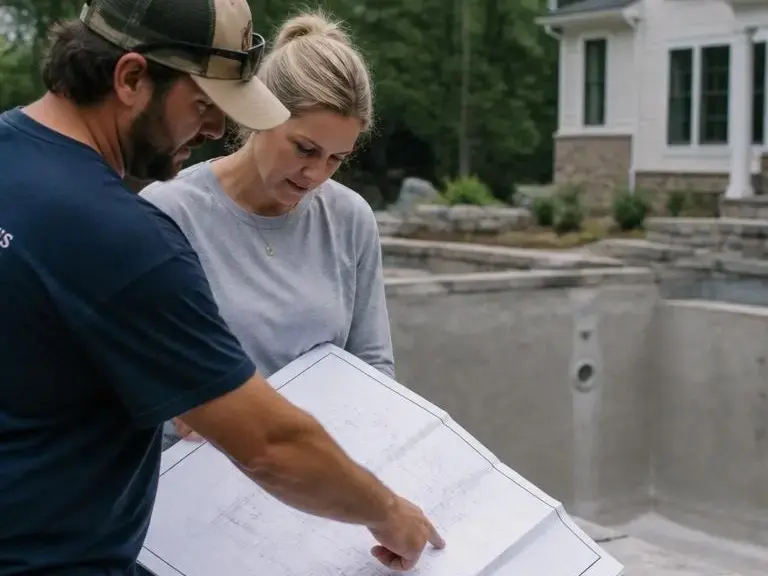
Inground Pool Builder Guide for Sandy Springs, GA Homes
An inground pool builder designs, permits, excavates, and installs a permanent pool that fits your Sandy Springs, GA property, soil, and backyard layout. The right builder manages pool construction, pool installation, equipment selection, safety features, and local code requirements so your project finishes on time and works well. In Sandy Springs, an experienced builder also plans for clay soil, drainage, tree roots, access limits, and seasonal weather. That helps the pool perform well and add long-term value.
An inground pool builder plans, excavates, builds, and installs a permanent swimming pool from the first site review to the final startup. In Sandy Springs, that includes layout, structural shell work, plumbing, electrical, equipment, and finishing. The pool should be safe, code-compliant, and ready to use. A skilled pool construction team also protects the yard, manages permits, and keeps the schedule moving.
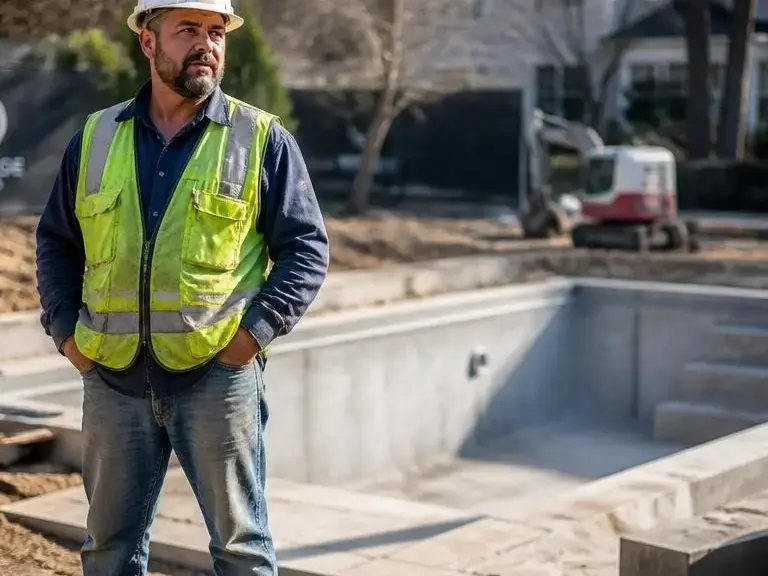
Local work often starts with a property review. That review checks grading, access, setbacks, and utility locations before pool installation begins. On suburban lots, mature trees, tight side yards, and sloped ground can change the build plan. The best pool contractor explains those limits early and designs around them with practical excavation and drainage steps.
What Does an Inground Pool Builder Do?
An inground pool builder plans, excavates, builds, and installs a permanent swimming pool from the first site review to the final startup. In Sandy Springs, that includes layout, structural shell work, plumbing, electrical, equipment, and finishing. The pool should be safe, code-compliant, and ready to use.
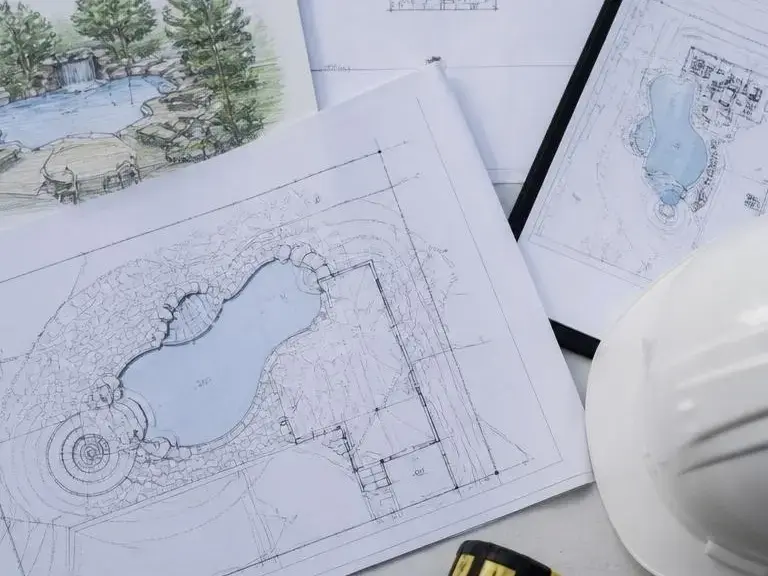
The work covers more than digging a hole. A swimming pool builder handles the design layout, checks that the shape fits the yard, and coordinates trades so each step happens in order. Depending on the project, the builder may manage a gunite shell, a fiberglass shell, or a vinyl liner structure. They also guide the homeowner through landscaping, hardscaping, and drainage choices that support the finished pool.
In this area, the builder must also consider Sandy Springs, GA backyard conditions like tree coverage, narrow lot access, and water runoff. Those details can affect excavation, the equipment pad location, and the final finish. A good builder keeps the project aligned with local permits, inspection steps, and homeowner goals.
What Is Included in Pool Construction and Installation?
- Excavation to shape the hole, manage spoil removal, and prepare for the shell.
- Steel/rebar reinforcement for many concrete pools and custom structural builds.
- Plumbing lines for circulation, returns, drains, and water features.
- Electrical work for lighting, controls, bonding, and safety devices.
- Pool equipment such as pumps, filters, heaters, and sanitation systems.
- The pool shell and finish materials, including tile, plaster, coping, or a factory-built shell.
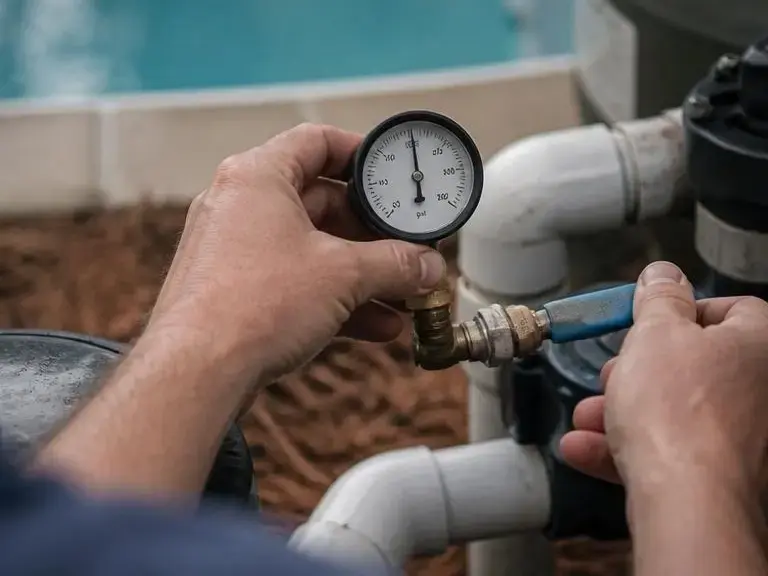
- The equipment pad setup, startup, and basic system testing.
The inground pool building process starts with design and site evaluation, then moves through permits, excavation, structural build, plumbing and electrical rough-ins, finishing, inspection, and startup. A good builder coordinates each step so the pool matches your yard, passes local requirements, and is delivered with proper water balance and equipment setup.
How the Inground Pool Building Process Works?
For many homeowners, the biggest surprise is site prep. A project on a flat lot with easy access may move faster than one with a steep grade or a narrow side yard. In Sandy Springs, clay soil and drainage can also slow excavation and require extra care to keep water moving away from the shell. If the plan needs a retaining wall or tree protection, the schedule may stretch further.
The timeline also depends on permits and inspections. If the plan must be adjusted for safety or setbacks, the review process can add time before the build starts. Weather delays, especially during heavy rain, can affect grading and concrete work. A realistic plan should include buffer time.
How Long Does an Inground Pool Installation Usually Take?
Most construction timeline estimates range from several weeks to a few months, depending on design complexity, material choice, and site conditions. Weather delays can slow excavation or finish work, and the inspection schedule may add pauses between steps. A simple build with open access usually moves faster than a custom project with drainage fixes, trees, or limited equipment entry.
Inground pool cost depends on pool size, shape, shell material, site access, excavation difficulty, equipment choices, decking, and landscaping. In Sandy Springs, costs often move with tight backyard access, drainage corrections, sloped lots, and the need to protect mature trees or utility lines during construction.
What Affects Inground Pool Cost in Sandy Springs?
| Cost Factor | How It Changes Price | Local Note |
|---|---|---|
| Pool size | Larger pools need more material, labor, and finish work. | Bigger designs may also need more clear yard space. |
| Materials | Concrete pools often cost more than simpler shell options because they allow custom shapes. | Many homeowners compare concrete pools with fiberglass pools to balance customization and speed. |
| Access | Tight entry can require smaller machines, extra labor, or manual handling. | Local site accessibility often matters on narrow suburban lots with fences and landscaping. |
| Landscaping | Restoring turf, hardscape, and planting adds finish cost. | Protection for mature trees can also change the plan. |
| Equipment | Upgraded pumps, heaters, and sanitation systems raise the total. | A complete pool equipment package may include automation and energy-saving controls. |
Typical projects also vary by deck size, waterline tile selection, lighting, and extras like spas or tanning ledges. If drainage corrections are needed, that can add more scope before finish work begins. In many cases, the safest way to compare bids is to look at what each home improvement contractor includes, not just the starting price.
The right inground pool builder has local experience, proper licensing and insurance, clear communication, a documented portfolio, and a warranty that covers workmanship and equipment. In Sandy Springs, choose a builder who can explain site conditions, local code expectations, and the full construction schedule before work begins.
How to Choose the Right Pool Builder near You?
A trusted pool construction company should also explain how it handles surprises, such as utility conflicts or soil changes during digging. Good communication matters even more when a yard has mature trees or limited machine access. Before hiring, ask how the team coordinates with inspectors and how it protects your landscape during the build.
Quick answers help homeowners decide fast: an inground pool builder handles design, permits, excavation, installation, and startup; Sandy Springs properties may need added drainage or access planning; pool timelines vary by site conditions and inspections; and choosing a builder with local experience reduces surprises.
Quick Answers for Sandy Springs Homeowners
| Question | Quick Answer |
|---|---|
| What does a builder do? | They manage design, permits, excavation, construction, and startup. |
| Do local lots create challenges? | Yes, yard access, tree roots, and slope can affect the plan. |
| Do soil conditions matter? | Yes, soil conditions and drainage can change excavation and water management. |
| Will I need maintenance? | Yes, regular cleaning, balancing, and equipment checks protect performance. |
| Does a pool help resale value? | It can, if the design fits the home, yard, and neighborhood expectations. |
FAQ pages should answer the most common buyer questions about pool types, permits, costs, timelines, maintenance, and builder selection. For Sandy Springs homeowners, the best answers are direct, local, and practical so they can compare options and move forward with confidence.
Inground Pool Builder FAQs
Cost and Planning
Process and Permits
Pool Types and Features
Hiring a Builder
- What should I ask a pool builder before hiring them?
- How do I know if a pool builder is qualified local?
Most projects fall into a wide typical range based on size, finish level, and site work. In Sandy Springs, costs can rise when the yard needs drainage changes, tree protection, or hard-to-reach access. The best estimate comes from a site review, not a guess from square footage alone.