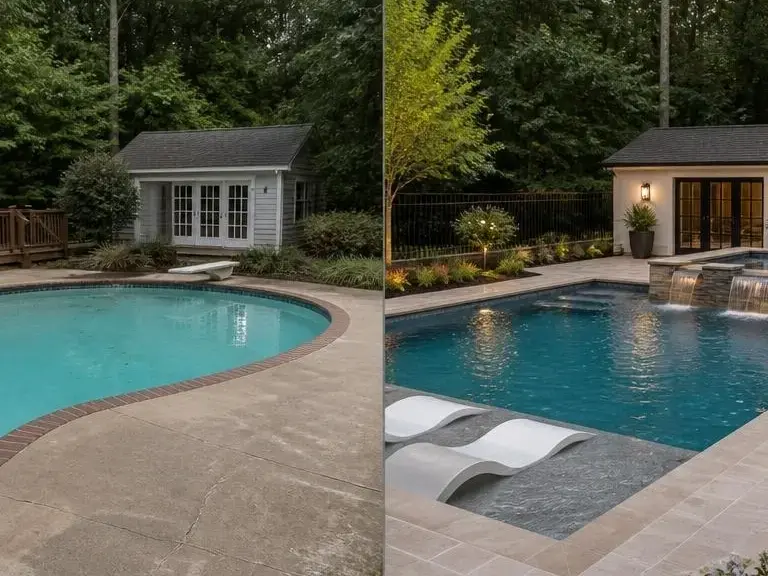
Can You Remodel an Existing Pool in Sandy Springs, GA?
Yes, you can remodel an existing pool in Sandy Springs, GA. Most pools can get new tile, coping, lighting, resurfacing, or equipment changes. The size of the job depends on the pool’s structure and condition. For Sandy Springs homeowners, a remodel is often the best way to update an older pool without starting over. A local pool renovation contractor can check what’s safe to change and what needs repair first.
Can You Remodel an Existing Pool in Sandy Springs, GA?
An existing pool can usually be remodeled in Sandy Springs, GA, if the pool shell is strong enough for the work. Homeowners can often update finishes, lighting, decking, tile, and equipment without rebuilding the pool. The exact scope depends on age, shell condition, drainage, and access.
Pool remodeling is often a smart home improvement project for older backyards because it keeps the main structure while improving comfort and style. In many Sandy Springs residential backyard renovation projects, the biggest limits come from the shell, the yard grade, and how easily crews can reach the work area. Older neighborhoods may also have tighter access, so planning matters.
A good pool renovation review starts with the structure, then moves to the visible finishes. If the existing pool has only surface wear, the update can be broad. If it has cracks, leaks, or settling, the plan should fix those first so the makeover lasts.
Local conditions matter too. Georgia humidity and heavy summer use mean durable finishes and slip-resistant upgrades are worth it. Older Sandy Springs pools may also have drainage and settling issues, so those should be checked before cosmetic work begins.
What Pool Modifications Are Usually Possible?
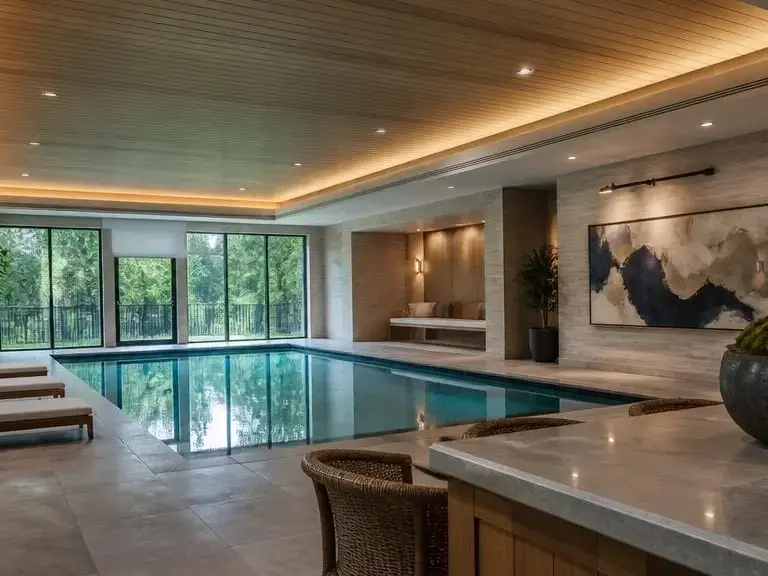
Pool modification is often flexible, and most older pools can be improved with cosmetic and functional upgrades. Common changes include resurfacing, replacing coping and tile, adding LED lighting, improving circulation, and updating the deck. Bigger changes depend more on the pool’s current shell and layout.
These changes are usually easiest when the pool shell is in good shape. If the shell has movement or damage, the contractor may need to narrow the scope so the project stays safe and durable. A skilled pool remodeling contractor will match the upgrades to the structure instead of forcing one standard pool makeover.
How to Modernize an Old Pool Without Rebuilding It?
To modernize an old pool, start with an inspection. Then prioritize repairs, finish upgrades, and equipment changes in order. This helps protect the shell while making the pool look and work better. In Sandy Springs, a local contractor can also suggest materials that hold up well in local weather.
When the renovation process follows this order, the contractor can protect the pool shell and avoid rework. That is especially helpful in humid Georgia weather, where durable finishes and slip-resistant surfaces matter during heavy summer use. The result is a safer backyard renovation with a longer service life.
Inspection and Repair Planning
A structural inspection should come before design choices, so cracks, leaks, and settling can be fixed first. That keeps the project from hiding damage under fresh finishes. If the shell is stable, the contractor can move into the update with fewer surprises.
Finishes, Lighting, and Deck Updates
Once the base is sound, pool finishes, pool lighting, and pool deck updates become the main design tools. These changes can brighten the space, improve traction, and make the old pool feel current. In Sandy Springs, slip-resistant decking and durable finishes are smart choices because of heat, humidity, and heavy seasonal use.
Is Refinishing a Pool Considered Remodeling?
Refinishing a pool is often considered part of pool remodeling because it changes the pool’s appearance and performance, especially when paired with tile, coping, or equipment updates. On its own, refinishing is usually a smaller project than a full remodel, but it still counts as a renovation step for many homeowners.
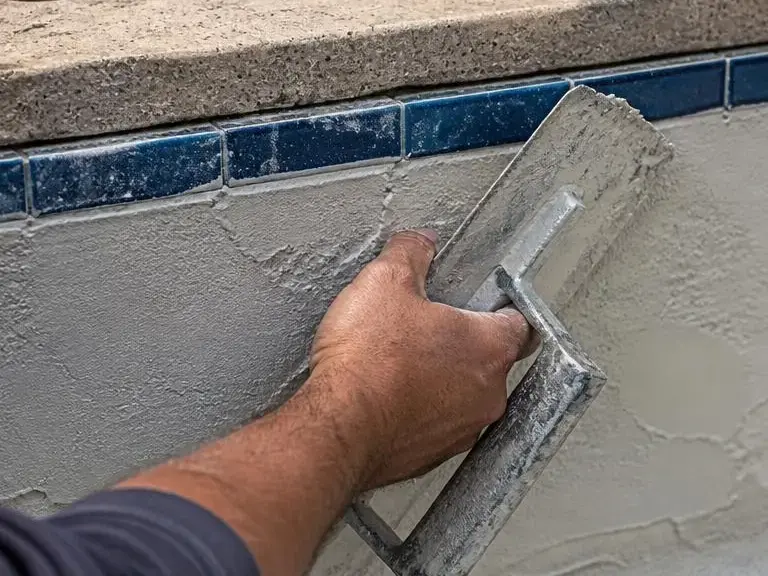
Pool resurfacing is one of the most common forms of pool refinishing, and it can be enough when the shell is still healthy. If the plan also includes new pool tile, coping, or lighting, the project moves from a simple finish replacement into a more complete pool renovation. That is why many homeowners use the term pool makeover for a set of smaller upgrades bundled together.
The key question is not the label, but whether the work fixes the right problem. If the surface is rough, stained, or failing, refinishing can be the right fix. If there are deeper structural issues, the contractor should solve those first so the renewed finish lasts.
Is It Better to Replaster or Resurface a Pool?
Replastering is usually a type of resurfacing, and the better choice depends on the pool’s existing finish, wear level, and desired look. If the surface is worn but the shell is stable, resurfacing can restore durability and appearance. A contractor can recommend the right finish after inspecting the current condition.
| Option | Best For | Typical Outcome |
|---|---|---|
| Replaster | Pools with an aging plaster surface that still have a stable shell | A fresh interior that improves feel, appearance, and water-tightness |
| Resurface a pool | Pools needing a new finish system beyond basic plaster replacement | A broader finish restoration with more texture or design options |
| Pool finish upgrade | Homeowners wanting a new look plus better durability | A more modern surface that can better handle heat and heavy use |
In practice, the right pool finish depends on the current wear pattern, the age of the surface, and how much change the homeowner wants. A surface that is only lightly worn may need a simpler replaster, while a more damaged interior may benefit from a full resurfacing approach with stronger materials. The shell always sets the limit.
What Are the Most Common Renovation Mistakes?
The most common renovation mistakes are skipping the inspection, choosing finishes before solving leaks, underestimating the shell’s condition, and upgrading equipment without planning the full project scope. In Sandy Springs, weather exposure and drainage issues can also make rushed decisions more expensive later.
The safest approach is to fix structural and water-management issues first, then move to visible upgrades. That order is especially helpful where humid weather, shade patterns, and runoff can affect the long-term performance of pool resurfacing and deck materials.
How Long Does a Pool Remodel Take?
A pool remodel timeline depends on project size, material availability, and how much repair work is needed before finish installation. Small updates are faster than full structural or multi-trade remodels. For Sandy Springs homeowners, the safest estimate comes after inspection because hidden damage can extend the schedule.
| Project Size | Typical Duration | What It Often Includes |
|---|---|---|
| Small | Typically a short window, often around 1 to 2 weeks | Cosmetic upgrades, limited finish work, or minor equipment changes |
| Average | Often around 2 to 4 weeks | Resurfacing, tile, coping, lighting, and some deck updates |
| Large | Often 4 weeks or more, depending on repairs | Major renovation, leak repair, drainage correction, and multiple trades |
Those ranges are typical, not fixed promises. Weather delays, product lead times, and access limits can change the pace of a project. When a pool renovation contractor reviews the site early, the timeline becomes much more realistic and easier to plan around.
Frequently Asked Questions
For a clearer plan, a local pool renovation contractor can assess the shell, find hidden issues, and recommend the safest path forward. If you want help deciding whether to refresh, resurface, or fully update your pool, contact us through our renovation consult page.
Get a Free EstimateRelated Resources
Pool Renovation Checklist Before You Remodel
pool renovation checklist
What Goes With ItPool Renovation and Remodeling
Everything About ItPool Renovation and Pool Remodeling: Complete Guide
pool renovation and remodeling
What It CostsPool renovation cost in Sandy Springs, GA
pool renovation cost