Pool Renovation and Remodeling in Sandy Springs, GA
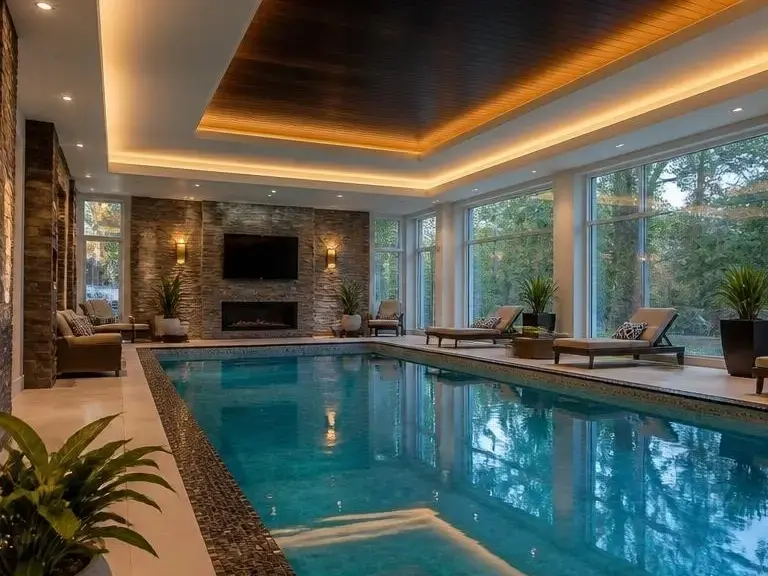
Pool renovation and remodeling updates an older pool by fixing damage, replacing worn finishes, improving equipment, and freshening the design. The result looks better, works better, and lasts longer. In Sandy Springs, GA, the best projects fix cracks, worn plaster, old tile, weak pumps, and drainage problems. They can also improve safety and lower energy use. Pool resurfacing is often part of the job, but full remodeling can also change the layout, coping, lighting, and water features for a more modern backyard.
Pool renovation
Fixes damage and refreshes the pool upgrade.
Changes design, features, or layout.
Pool resurfacing
Renews the interior surface finish.
Energy-efficient pool equipment
Cuts operating cost and boosts performance.
Pool permits and inspections
Plan for local compliance early.
Quick Answers About Pool Renovation and Remodeling
Pool renovation and remodeling restores an aging pool by fixing damage, upgrading equipment, and modernizing the look and function of the backyard. In Sandy Springs, GA, homeowners usually combine resurfacing, tile replacement, coping repairs, and efficiency upgrades to extend pool life and improve safety.
For many suburban homes, a pool makeover is the best way to solve hidden wear while improving curb appeal and long-term value.
What Does Pool Renovation Include in Sandy Springs, GA?
Pool renovation includes the repairs and updates needed to restore a pool’s structure, surface, and systems. In Sandy Springs, GA, that often means resurfacing worn plaster, replacing cracked tile or coping, fixing leaks, and updating circulation or filtration equipment to improve durability and appearance.
A full backyard improvement may also include structural repair, leak detection, skimmer or plumbing fixes, and deck repair where the shell has shifted or settled. Older suburban pools in the area often show both cosmetic wear and hidden plumbing problems, so scope control matters from the start. A careful pool restoration plan should separate needed repairs from optional upgrades like LED lighting, water features, or an automation system. In a humid climate with a long swim season, durable materials and energy-efficient pump choices can reduce maintenance and help the pool run better during peak use.
Common hyponyms of renovation include plaster resurfacing, tile and coping replacement, and equipment modernization. Those upgrades work with the tile line and other meronyms of the pool shell to keep the finished result looking clean and working well.
What Is the Difference Between Pool Remodeling and Pool Resurfacing?
Pool remodeling changes the pool’s design, features, or layout, while pool resurfacing restores the pool’s interior finish. Remodeling is the bigger project, and resurfacing is one possible part of it. Sandy Springs homeowners often choose both when they want a modern look and longer-lasting performance.
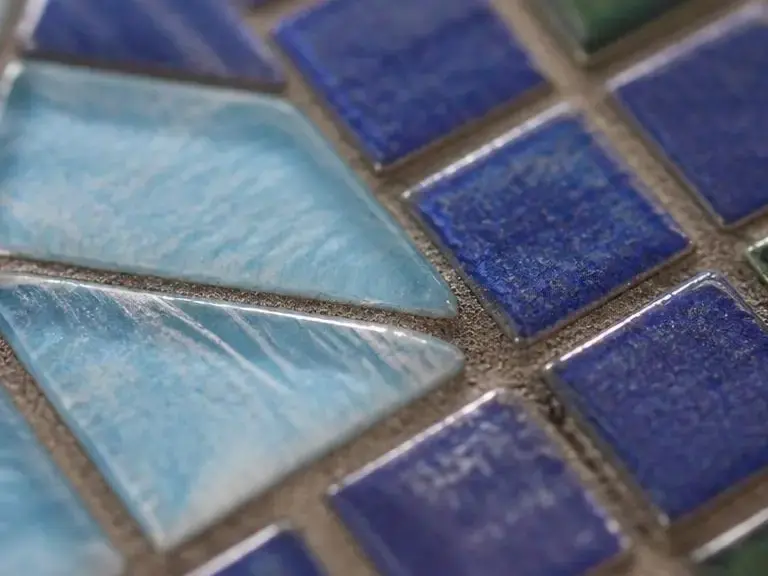
Think of remodeling as the full pool makeover and resurfacing as one finish-focused part of that backyard improvement. A remodel may include a design upgrade like adding tanning ledges, changing steps, updating coping, or adding water features. Resurfacing usually means replacing the plaster finish, pebble surface, quartz coating, or similar material so the interior is smooth, sealed, and more attractive.
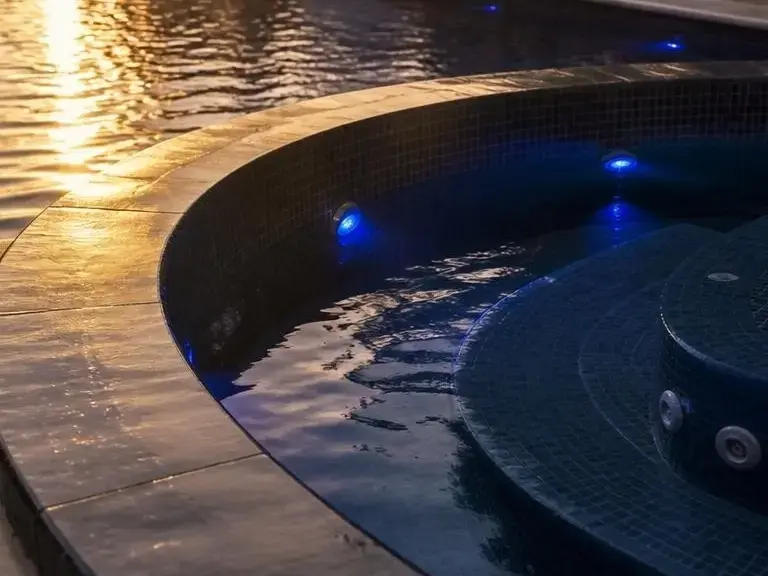
The best choice depends on what the pool needs now and what you want it to become later. If the shell is sound but the surface is rough, pool resurfacing may be enough. If the space feels dated, inefficient, or hard to use, pool remodeling can bring better circulation, LED lighting, automation, and a more modern style.
What Are the Signs Your Pool Needs Renovation?
Pool renovation is usually needed when the pool shows visible wear, performance issues, or safety concerns. Common signs include stains, rough plaster, cracks, loose tile, leaking plumbing, outdated equipment, and a tired layout. In Sandy Springs, these issues often become more noticeable after seasonal temperature swings and heavy use.
If you see several of these symptoms together, the project may need both repair and design work rather than a simple cosmetic fix.
How the Pool Renovation Process Works?
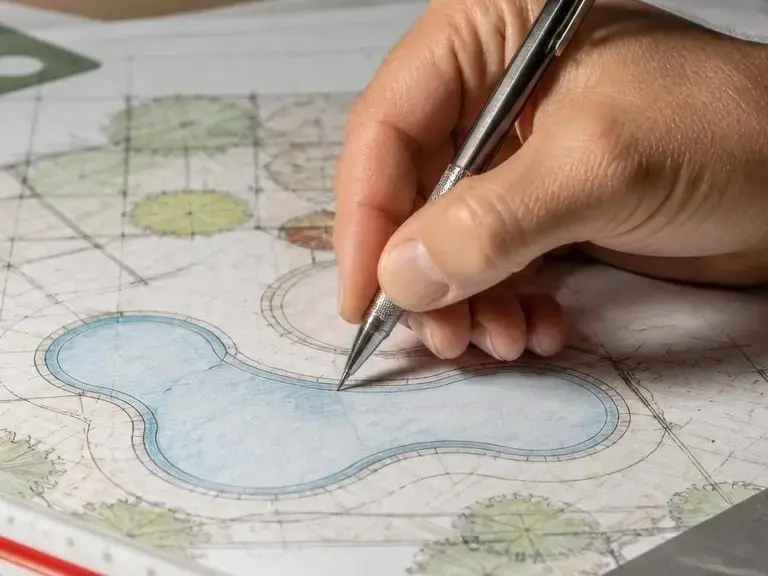
Pool renovation usually starts with inspection and planning, then moves through demolition, structural repairs, surface prep, finish installation, and equipment testing. A good remodel also includes design decisions, material selection, and final startup. This process helps make sure the finished pool looks good, runs well, and lasts.
In this area, permit and inspection steps can affect sequencing when electrical work, structural changes, or equipment modernization are part of the job. Seasonal demand also matters, since warm-weather scheduling often fills quickly.
Which Upgrades Add the Most Value to a Pool Remodel?
Energy-efficient pool equipment, modern lighting, and low-maintenance finishes usually deliver the best mix of value and daily use. In a pool remodeling project, features that simplify care and improve the look often matter more to buyers than flashy extras alone.
| Upgrade | Typical benefit | Why it helps |
|---|---|---|
| LED lighting | Better night visibility and a cleaner look | Adds style and can improve safety around the pool |
| Energy-efficient pump | Lower operating cost and quieter circulation | Helps the system run more efficiently through the swim season |
| Automation | Simpler control of cleaning, heat, and lights | Makes the pool easier to use and maintain |
| Water features | Stronger visual appeal and a more custom feel | Can make the backyard feel newer without changing the whole shell |
New tile, refreshed coping, and a clean plaster finish also add value because they make the pool look cared for. Buyers often respond well to a modern, low-maintenance outdoor space that feels ready for use instead of needing immediate work.
Common Questions About Costs, Timelines, and Permits
Pool renovation cost and timing depend on the project scope, material choices, equipment upgrades, and whether structural repairs are needed. In Sandy Springs, permitting and inspection needs can affect the schedule, and seasonal demand can influence start dates. The best way to plan accurately is with an on-site evaluation and written scope.
Typical projects range from a focused pool resurfacing job to a full pool restoration with leak repair, tile replacement, coping work, and equipment modernization. If the shell is in good shape, a smaller scope can move faster. If the job includes hidden plumbing issues, deck repair, or a permit review for electrical changes, the timeline may stretch. Material availability can also shift schedules, especially for specialty finish products, custom tile, or automation system components.
For homeowners in Sandy Springs, GA, the smartest budget plan is to separate must-do repairs from optional design upgrades. That approach helps control costs while still improving safety, comfort, and the long-term life of the pool.
Frequently Asked Questions
Cost and Value
Process and Timing
Quality, Materials, and Maintenance
Local and Project Scope
Ready to plan a smart pool upgrade? Use this contact form to request an on-site evaluation and a written scope for your pool renovation or pool remodeling project.