How Much Does Pool Resurfacing Cost in Sandy Springs, GA?
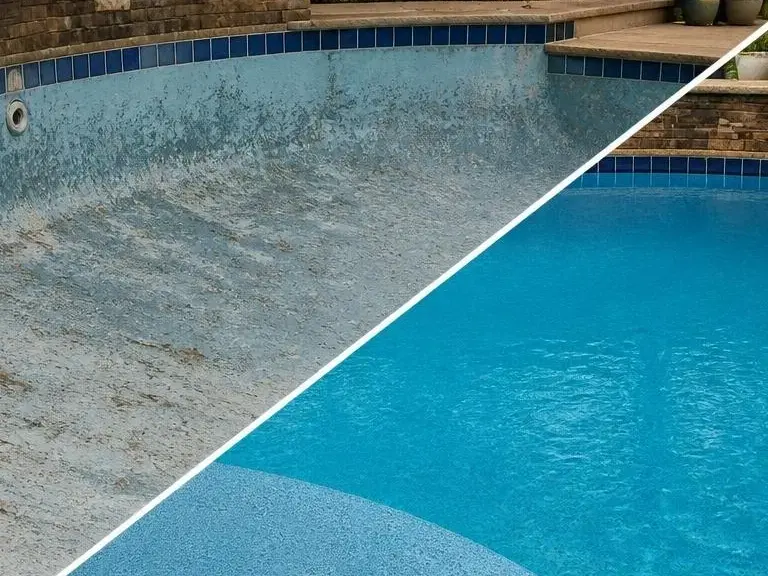
Pool resurfacing cost in Sandy Springs, GA usually comes down to surface area, material choice, and labor, not pool gallons. Small jobs often start around $10,000 for plaster, and standard plaster is usually the cheapest way to resurface a pool. In Sandy Springs, fall is often the best season because cooler temperatures, milder weather, and less rain help coatings cure right and reduce delays. For a true quote, pool renovation contractors should inspect your pool’s current surface and damage level.
What Does Pool Resurfacing Cost in Sandy Springs, GA?
Pool resurfacing cost in Sandy Springs, GA depends on pool size, surface condition, and finish type, but most small pool jobs start around $10,000 for plaster. The average cost to resurface a pool is better estimated by surface area than by gallons, and refinishing cost rises as damage, prep work, and material quality increase.
For most projects, pricing follows the amount of surface area that needs new material, not the water capacity. A compact pool with only a few cracks may stay near the lower end, while a larger spa, deep end, or worn shell can push the quote higher. The finish material also matters: plain plaster is the entry point, while an aggregate finish usually costs more because it adds durability and a more polished look.
Local conditions in Sandy Springs, GA can also change the quote. Older pools may need extra surface preparation to remove stains, patch voids, or improve adhesion before the new coat goes on. When contractors factor in labor costs, repair work, and curing conditions, the total often changes more than homeowners expect. That is why two pools with similar gallons can have very different numbers. In practice, the best estimate comes from an on-site inspection by experienced pool renovation contractors, especially when the surface has peeling, etching, or old patching.
What Is the Cheapest Way to Resurface a Pool?
The cheapest way to resurface a pool is usually a standard plaster finish with little customization and only the repairs needed to prep the shell. Keeping the existing design, skipping decorative upgrades, and fixing damage early can lower labor and material costs while still giving the pool a fresh, useful surface.
Budget-friendly resurfacing is not just about picking the lowest bid. It also means avoiding hidden costs tied to drainage, patching, and cure time. If the old finish is failing in one area, fast repair work can stop the damage from spreading and keep the project closer to a basic replastering job instead of a larger renovation.
What Does a Basic, Standard, or Premium Resurfacing Job Include?
Pool resurfacing jobs usually fall into basic, standard, and premium tiers, with prices rising as materials and prep work improve. Basic work usually means a simple plaster refresh, standard projects may include upgraded finishes, and premium jobs often add higher-end surfaces, more repair work, or finer finishing.
| Tier | Typical price range | What it usually includes |
|---|---|---|
| Basic resurfacing | About $10,000 to $14,000 | Simple plaster resurfacing, limited repairs, and essential surface preparation for a clean new coat. |
| Standard resurfacing | About $14,000 to $20,000 | Improved finish options, more patching, better bonding work, and moderate labor for a longer-lasting result. |
| Premium resurfacing | About $20,000 and up | Higher-end finish material, such as an aggregate finish, plus more extensive repair work and detailing. |
These ranges are typical, not fixed, because the final number depends on the shell’s condition, access around the pool, and how much curing time the project needs. A basic replastering can be enough for many older pools, while premium pool restoration may make sense when the owner wants a tougher, decorative surface and fewer maintenance issues over time.
How Much to Resurface a 10,000 Gallon Pool?
How much to resurface a 10,000 gallon pool? Expect to pay based on surface area, not gallons. Most small pool jobs start around $10,000 for plaster, so a 10,000-gallon pool is often near that entry point if the surface is small and the prep work is limited. A larger surface area or more repairs will raise the quote.

A 10,000 gallon pool can still vary a lot in price because gallons do not tell the full story. Two pools can hold the same water volume but have very different surface area, coping details, steps, and wall height. That means one may need only a basic replastering, while another needs more repair work, better adhesion prep, and a longer cure time.
If you are comparing bids, ask each contractor what is included in the quote and whether the price covers crack repair, chip filling, and final finish coat cleanup. A clear estimate from pool contractors will show whether the job is closer to a low-end refresh or a more complete pool renovation.
When Is the Best Time of Year to Resurface a Pool in Sandy Springs?
The best time of year to resurface a pool in Sandy Springs is usually fall, when cooler temperatures, milder weather, and less frequent rain help the new surface cure properly. Extreme heat can dry materials too fast and cause cracking, while heavy rain can delay work or affect coating performance.
In Sandy Springs, GA, local weather patterns matter as much as the calendar. Cooler temperatures give finishes more predictable dry times, and less frequent rain lowers the chance that the project gets interrupted while the coating is still vulnerable. Stable fall conditions also help with adhesion, which is key for a durable surface that bonds well to the shell.
Humidity and sudden weather swings can change cure time, so a stable seasonal window is safer than trying to rush the work in peak summer heat. A well-timed project also reduces rework risk because crews can finish surface preparation, apply the finish material, and protect the pool without weather setbacks.
How Can Sandy Springs Homeowners Save Money on Pool Resurfacing?
Sandy Springs homeowners can save money on pool resurfacing by choosing a simpler finish, scheduling work before damage spreads, and comparing quotes from experienced pool renovation contractors. Cutting extra demolition, bundling needed repairs, and booking during good weather can help control labor delays and avoid costly emergency fixes.
Another smart way to control cost is to avoid paying for features you do not need. If the shell is sound, a budget-friendly resurfacing can restore function without a full pool restoration package. When the existing surface is still in fair shape, a focused replastering project often gives the best value.
Frequently Asked Questions
For a quote that fits your pool, ask local pool renovation contractors to inspect the current finish, measure the surface area, and explain the best finish material for your budget. A careful estimate will factor in surface preparation, repair work, and the seasonal conditions that affect curing in Sandy Springs, GA.
Related Resources
Pool Renovation Checklist Before You Remodel
pool renovation checklist
What Goes With ItPool Renovation and Remodeling
Everything About ItPool Renovation and Pool Remodeling: Complete Guide
pool renovation and remodeling
How It WorksCan you remodel an existing pool?
can you remodel an existing pool