How to Pick a Pool Builder in Sandy Springs, GA
To pick a pool builder in Sandy Springs, GA, choose a licensed and experienced swimming pool contractor. They should show local project examples, provide 3D renderings, explain permits and zoning, and give a clear estimate that lists what’s included and excluded. Ask how long they’ve been in the industry, how they handle changes, and who manages construction from start to finish. The best pool installer for your home communicates clearly, follows local rules, and builds a pool that fits your budget, timeline, and property.
How Do You Choose the Right Pool Builder in Sandy Springs, GA?
Pick a pool builder by checking local experience, licensing, design skills, and clear communication. In Sandy Springs, GA, the right contractor should also understand permits, site access, drainage, and neighborhood rules. The best choice is a pool company that can explain scope, timeline, and change orders before work starts.
Start by comparing a few swimming pool contractor options and look past the sales pitch. A strong Home Services contractor should know how to handle excavation, inspection timing, and construction order without guessing. Ask for recent work in neighborhoods with similar lot conditions, since tight access, slope, and drainage can change equipment needs and price. A good custom pool builder will also explain how design choices affect upkeep, safety, and long-term value.
For homeowners in Sandy Springs, the best fit is often a builder who can handle design, permits, and crews without creating delays with the city or your HOA. A reliable pool installer should share a realistic schedule, point out likely problem spots, and keep the scope easy to follow. That kind of clarity matters more than the lowest quote when you’re comparing a few pool contractor bids.
What Important Questions Should You Ask Before Hiring a Swimming Pool Contractor?
Ask a swimming pool contractor how long they’ve been in the industry, whether they’re fully licensed and certified, if they use 3D renderings, what’s included in the estimate, how changes are handled, and how permits and zoning are managed. These questions show skill, honesty, and project control.
These questions help you compare a swimming pool contractor on more than price alone. A skilled installer should answer directly, explain the timeline, and say who handles each phase. If the contractor avoids details about design, permits, or budget control, that’s a sign to keep looking. For many Sandy Springs homeowners, the best choice is the company that shows both planning detail and steady field management.
How Can You Tell if a Pool Builder Is Qualified and Trustworthy?
A qualified pool builder can show licensing, certification, insurance, and a track record of completed pools you can inspect. Trustworthy builders answer questions directly, give written scope details, and stand behind their work with a clear warranty. In Sandy Springs, local references matter because site conditions and permits can affect the job.
Trust also shows up in the details. A dependable pool company won’t dodge questions about subcontractors, inspection timing, or who handles excavation and grading. It should be easy to understand how the team will protect your yard, manage drainage, and keep the site organized. When a builder shares local references from homes with similar access and soil conditions, that’s a strong sign they know the job.
What Red Flags Mean You Should Not Hire a Pool Installer?
Do not hire a pool installer who gives a vague estimate, avoids permit questions, refuses written details, pressures you to sign quickly, or cannot explain who handles changes. These red flags often point to poor planning, budget surprises, or compliance issues. In Sandy Springs, weak local knowledge can cause delays and rework.
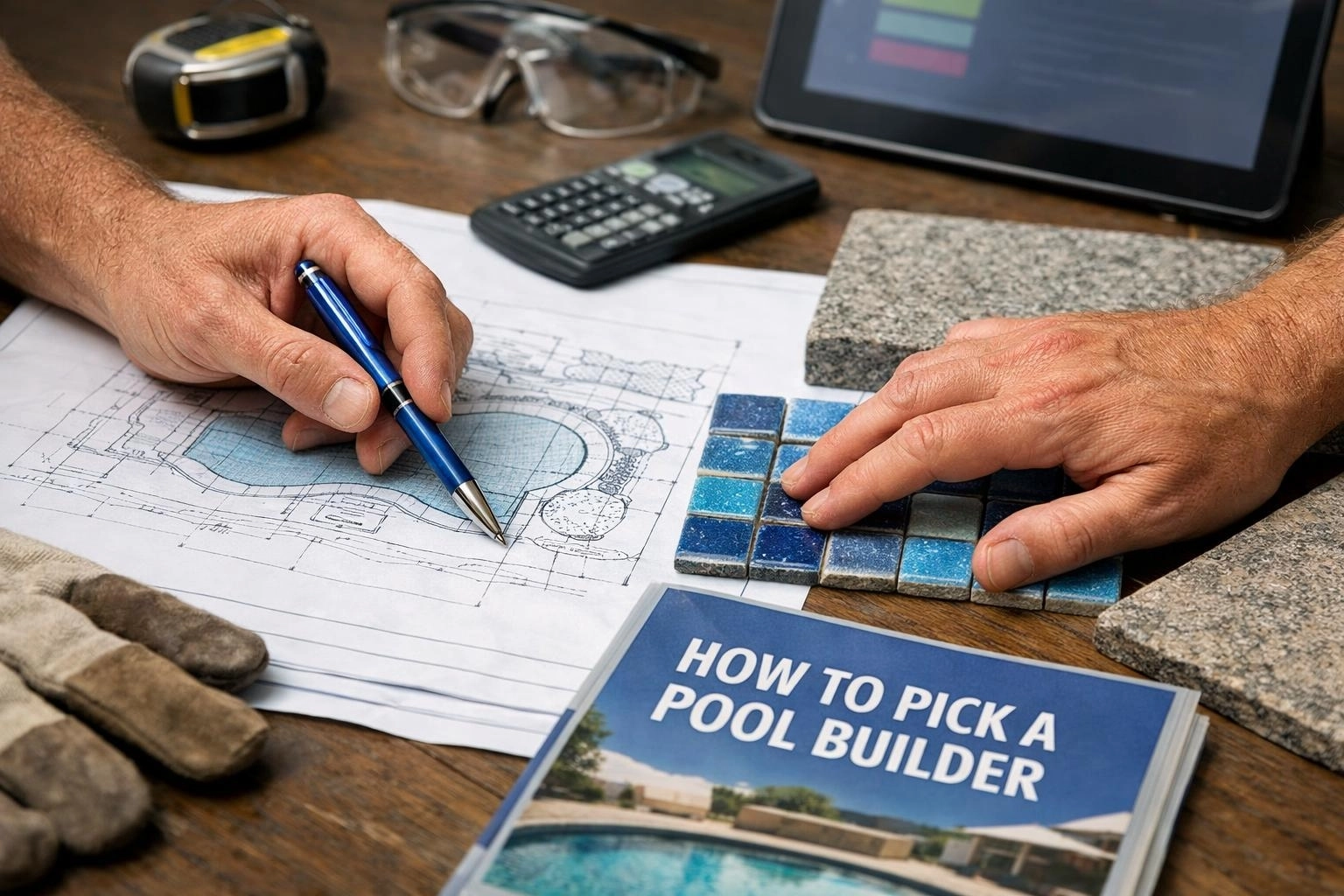
Watch for a contractor who talks a lot about speed but little about scope of work, drainage, access, or inspection steps. A reputable Home Services contractor will tell you where risk could show up and how it will be handled. If the sales process feels rushed or unclear, the build phase usually feels worse.
How Do Estimates, Contracts, and Change Orders Protect Your Budget?
A detailed estimate and contract protect your budget by defining the scope of work, materials, exclusions, allowances, and payment terms before excavation starts. Change orders should be written and approved before extra work begins. For Sandy Springs homeowners, clear paperwork is essential when site conditions or permit rules change the plan.
| Document | What it should say | Why it matters |
|---|---|---|
| Project estimate | Labor, materials, excavation, site work, equipment, and finish details | Shows the real price range before you sign |
| Contract | Timeline, scope of work, allowances, warranties, and payment terms | Sets expectations and reduces disputes |
| Change order | Added work, reason for the change, and approved cost | Prevents surprise charges after work starts |
| Exclusions | Items not included, such as landscaping or special utilities | Helps compare bids fairly |
In many pool projects, the cheapest quote becomes the most expensive once hidden items appear. A strong swimming pool contractor will explain assumptions, allowances, and anything that could change after excavation. For local jobs, ask how the contract handles drainage fixes, site access issues, and inspection delays so your budget stays easier to manage.
What Should Be Included in a Pool Project Estimate?
A project estimate should clearly list labor, materials, excavation, equipment, finishing work, and any exclusions so you know what the price covers. It should also name allowances and assumptions. If the estimate isn’t specific, compare it carefully with other bids before choosing a builder.
Good estimates also note site work, cleanup, and any special conditions that affect cost. If your lot has limited access, steep grades, or drainage concerns, those items should be shown in writing. A clear estimate helps you compare the pool contractor’s offer with other bids on equal terms.
How Do Permits, Zoning, and Local Site Conditions Affect Pool Construction in Sandy Springs?
Permits, zoning, and local site conditions affect pool construction by shaping what can be built, where it can sit, and how the work is scheduled. In Sandy Springs, a pool contractor should know local rules, drainage concerns, and access challenges that can change installation steps and timing. Ask who handles approvals and inspections.
Sandy Springs, GA, neighborhood lot conditions, and homeowner expectations means the build is not just about digging a hole and pouring concrete. Many lots have access limits, mature landscaping, slope changes, or drainage patterns that affect excavation and equipment movement. A skilled pool company plans for those factors before the first truck arrives.
Local homeowners often need a builder who can coordinate design, permits, and construction without causing HOA or city delays. That means checking zoning setbacks early, confirming inspection steps, and understanding how neighborhood rules may affect noise, staging, and cleanup. The right swimming pool construction company will explain those moving parts clearly, then build around them instead of reacting later.
Frequently Asked Questions
Related Resources
Pool Installation Checklist for Sandy Springs Homeowners
pool installation checklist
What's RequiredPool Construction Preparation Checklist
pool construction checklist
What's RequiredPool Opening Checklist for Spring and Summer
pool opening checklist
What Goes With ItCustom Pool Design and Installation