Pool Building Cost in Sandy Springs, GA Explained
Pool building cost in Sandy Springs, GA depends on pool type, site conditions, excavation, permits, finishes, and equipment choices. A basic inground pool usually costs less than a custom premium build, but added features like automation, lighting, spas, decking, and retaining work raise the total. Sandy Springs properties can also see higher costs from slope, access limits, drainage needs, and local permitting steps. The best way to estimate pool installation cost near you is to compare pool build costs by tier and get a site-specific quote.
What Pool Building Cost Includes in Sandy Springs, GA?
Pool building cost in Sandy Springs, GA includes excavation, the pool shell, plumbing, electrical, equipment, finishes, permits, and site preparation. The final pool installation cost depends on whether you want a simple standard build or a custom design, and that can change the pool construction cost fast once grading, drainage, and access are added in.
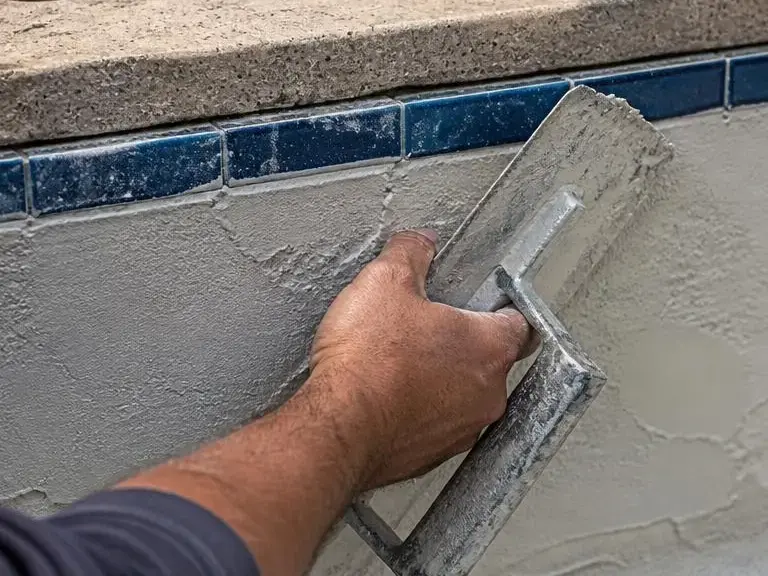
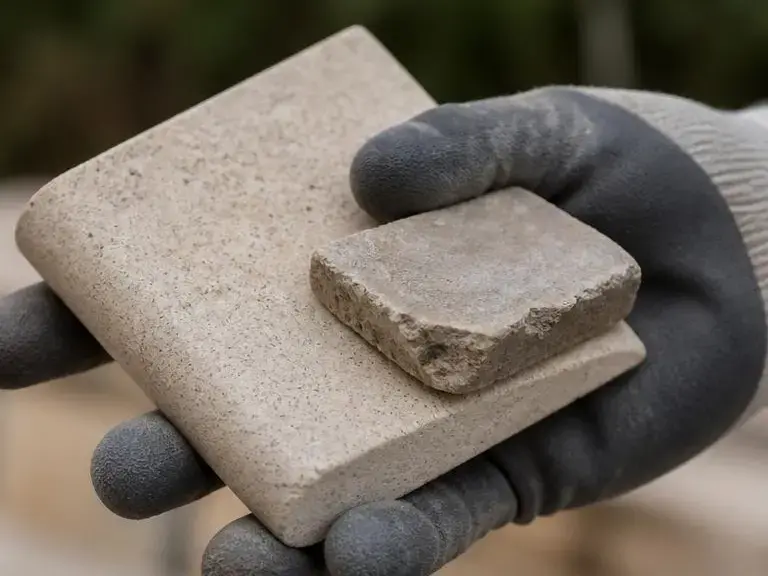
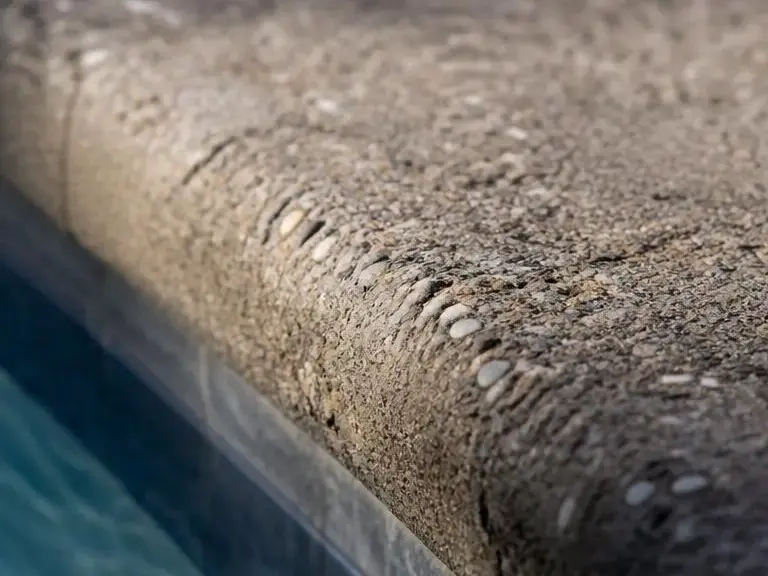
A solid inground pool builder will price the job as a full outdoor living project cost, not just a shell in the ground. That means the quote should cover excavation, the pool shell, coping, tile, plaster, pool equipment, and any needed site work before the first dig. In older neighborhoods, tight site access can add labor and machine time. On sloped lots, grading and a drainage system may be needed before construction starts. Permits and inspections in Sandy Springs also affect timing, and that can change soft costs and schedule planning. If a contractor leaves out plumbing, electrical, or cleanup, the estimate may look low at first but rise later.
For a fair comparison, ask each inground pool builder to show what is included in the shell, what is excluded, and how they handle retaining wall needs, backyard grading, and utility routing. That gives you a better read on true pool construction cost.
Pool Build Cost Calculator: What Changes the Price
A pool build cost calculator estimates price by combining pool size, shape, material, access, excavation difficulty, finish level, and add-ons. In Sandy Springs, local terrain, utility routing, and drainage needs can move the estimate up or down, so any calculator should be treated as a starting point, not a final quote.
When you search for pool installation cost near me, remember that a calculator cannot see slope, access limits, or hidden site issues. It helps you compare rough ranges, but a local pool builder still needs to review the lot before giving a realistic quote.
Typical Pool Build Costs by Tier
Pool build costs usually fall into three tiers: basic, standard, and premium. Basic projects cover simple layouts and fewer upgrades, standard builds add better finishes and equipment, and premium pools include custom design, high-end materials, and features such as spas, lighting, and automation.
| Tier | Typical price range | What is usually included | Best for |
|---|---|---|---|
| Basic pool | Typical range: $50,000-$75,000 | Simple shape, standard shell, basic pump and filter system, standard coping, limited decking | Homeowners who want a clean, functional inground pool cost with fewer upgrades |
| Standard pool | Typical range: $75,000-$120,000 | Better finishes, upgraded tile, stronger equipment, more decking, modest design flexibility | Buyers who want a balanced outdoor living project cost and better long-term value |
| Premium pool | Typical range: $120,000-$250,000+ | Custom shapes, high-end plaster, automation, lighting, spa features, extensive hardscape, possible retaining work | Clients seeking a custom pool cost with design features and a more luxurious finish |
These ranges are illustrative, not quotes. A fiberglass pool cost may land differently than a concrete build, and the shell, filter system, and finish choices can move the number either way. The best pool build costs comparison is one that matches the same scope across all bids.
Why Pool Installation Cost Changes from One Sandy Springs Property to Another?
Pool installation cost changes from one Sandy Springs property to another because two similar pool designs can require very different site work. Sloped yards, tight access, drainage corrections, retaining needs, and utility coordination can increase labor and equipment time before the pool shell is even installed.
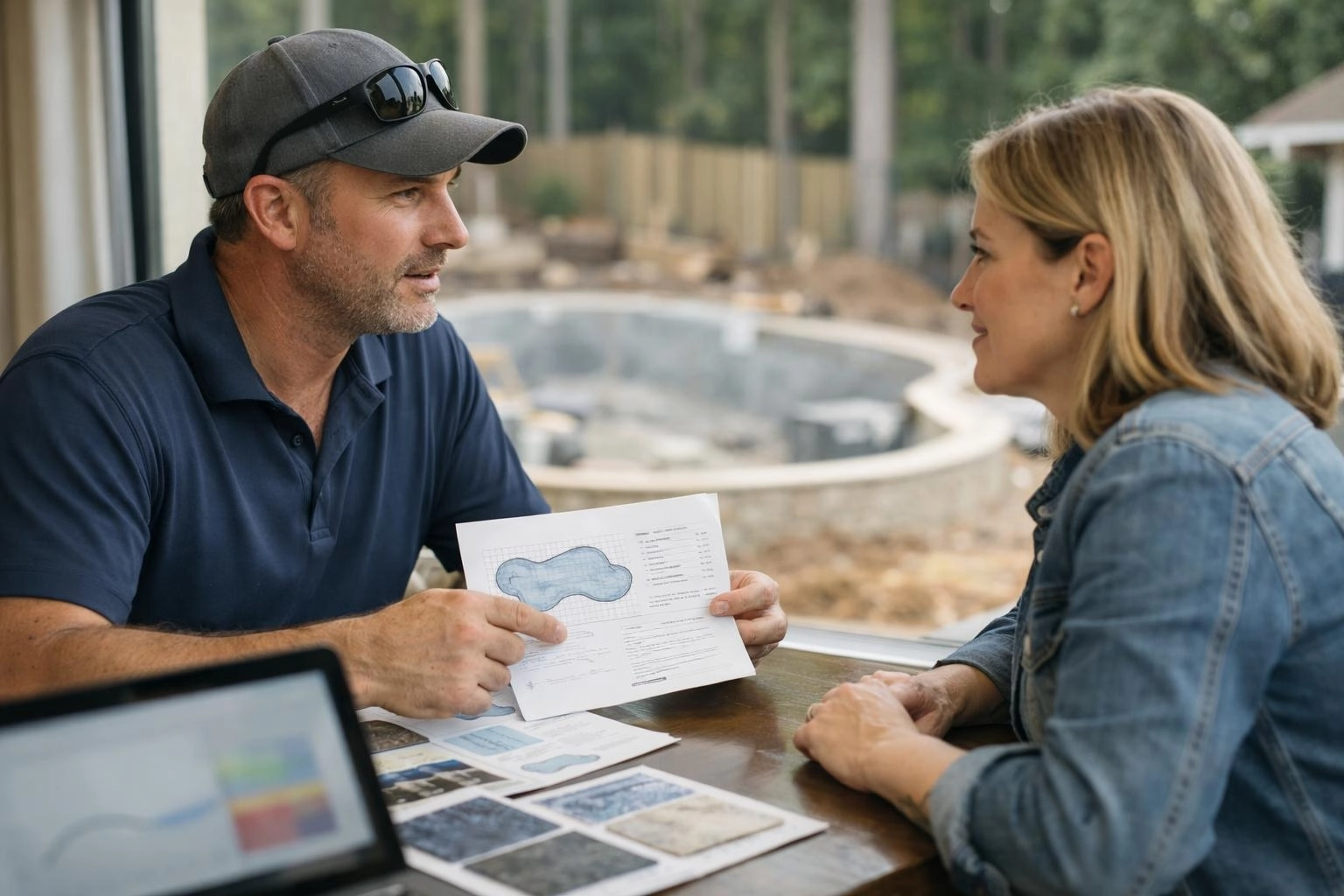
Sandy Springs, GA has a mix of older lots, hillier backyards, and suburban access limits that can affect excavation and site preparation. If a property has a steep slope, the builder may need more grading and maybe a retaining wall to create a level pool pad. If water collects after rain, a drainage system may be needed to protect the shell and nearby hardscape. Permit coordination and inspection steps in the city can also affect the schedule, which may add soft costs through longer labor planning or equipment staging. Older lots can be harder to reach with machines, and that can raise the price of hauling spoil, setting forms, and moving materials.
In North Metro Atlanta, weather patterns and seasonal demand can also influence contractor availability. A busy season can stretch lead times, so the same design may cost more if you need faster scheduling or extra coordination.
How to Lower Pool Construction Cost Without Cutting Quality?
Pool construction cost can often be lowered by simplifying the design, choosing standard finishes, limiting hardscape extras, phasing add-ons, and selecting efficient equipment that reduces long-term operating costs. Smart budgeting keeps the build durable while avoiding expensive custom choices that do not improve everyday use.
It also helps to compare only the features you will use. A pool installation cost can jump when the plan includes decorative water features, extra decking, or extensive retaining work that does not improve daily function. The goal is a durable build, not a stripped-down one. A good inground pool builder can show where the budget is being spent and where a lower-cost option still meets performance needs.
What to Ask Before You Compare Pool Installation Cost near Me?
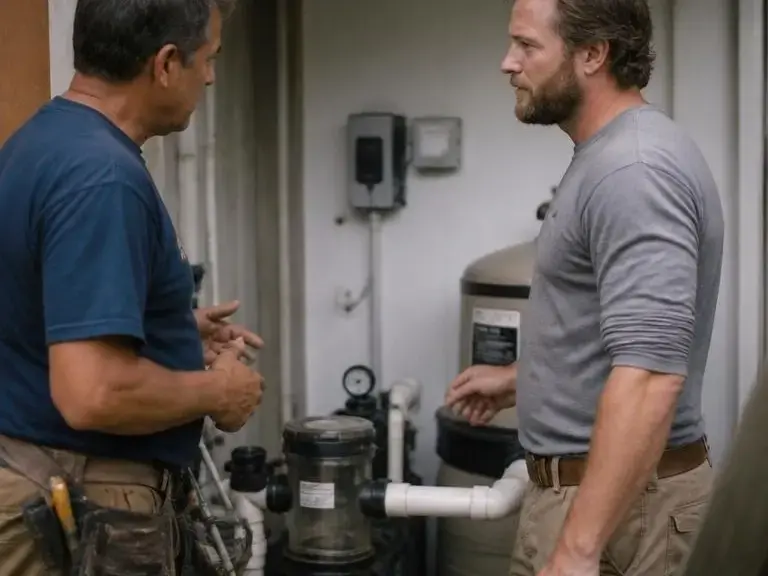
Before comparing pool installation cost near me, ask for a written scope of work, included materials, excavation assumptions, permit handling, equipment brands, warranty coverage, and timeline. Clear apples-to-apples estimates make it easier to spot hidden costs and choose the best local pool contractor.
A careful comparison helps you see whether one pool contractor is truly cheaper or just leaving out necessary work. If two bids differ a lot, ask each company to explain the excavation assumptions, backyard grading, and equipment package before you decide.
Money-saving Tips That Can Reduce Your Pool Build Budget
Money-saving tips for pool build costs include narrowing the pool shape, delaying nonessential upgrades, using standard coping and tile, comparing equipment packages, and planning the build before peak season. These choices can reduce labor complexity and help keep the final price closer to your target budget.
- Use the pool build cost calculator to test a few design choices before you ask for bids.
- Keep the outline simple so the pool builder can reduce formwork, excavation, and finish labor.
- Choose budget-friendly design choices like standard tile, coping, and plaster instead of premium finishes.
- Compare equipment packages so you are not paying for automation or extras you will not use right away.
- Schedule early to avoid peak-season pressure, which can raise pricing and limit contractor availability.
These tactics work best when you decide what matters most before design starts. If you want the lowest realistic pool build cost, focus on function first, then add upgrades only where they improve comfort, safety, or efficiency.