Pool Renovation Process for Sandy Springs, GA Homeowners
The pool renovation process starts with an inspection, then moves through planning, demolition, repairs, finish work, equipment updates, and final startup. In Sandy Springs, GA, a good plan also accounts for weather, permits, and aging pool systems in older homes. The best results come from experienced pool renovation contractors who can manage design, construction, and local rules from start to finish.
What Is the Pool Renovation Process in Sandy Springs, GA?
The pool renovation process is the step-by-step update of an existing pool. It includes inspection, planning, demolition, repairs, resurfacing, equipment upgrades, and final startup. In Sandy Springs, GA, the work also has to fit local weather, older pool systems, and city project rules.
For many homeowners, this is really pool remodeling that mixes home improvement with outdoor construction. A smart plan looks at the shell, coping, waterline tile, plaster or pebble finish, decking, and equipment pad as one connected system. That matters because one weak part can affect the rest.
Local conditions shape the work too. Hot, humid summer weather can tighten schedules and finish curing time, so timing matters. In older neighborhoods, tree cover and leaf debris can affect drainage, filtration, and decking choices. Older pools may also hide plumbing problems or worn equipment that only show up after the inspection.
Project coordination in the city area can also be affected by permits, access limits, and neighborhood work-hour rules. That is why experienced pool renovation contractors usually start with a clear scope before any drain and demo work begins. The goal is a cleaner, safer pool that works better and lasts longer.
Pool Renovation Steps: From Inspection to Final Startup
Pool renovation steps follow a clear order: inspect the pool, define the scope, choose finishes and features, drain and demo the old surfaces, repair structure and plumbing, install new finishes and equipment, then refill, balance, and test the system. Each step lowers risk and helps the project finish on time and on budget.
Good project management keeps each phase moving in order. If the shell needs more work than expected, the timeline may change, but a well-run team will explain that before moving ahead. That kind of clarity helps homeowners stay confident through the remodel.
Step-by-Step Renovation Timeline for Small, Average, and Large Pools
Pool renovation timelines vary by project size. Small pools usually move faster than average or large projects because they need less demolition, fewer repairs, and shorter curing and startup periods. A timeline table helps homeowners see how scope, materials, and weather delays affect completion.
| Project size | Typical duration | Common factors |
|---|---|---|
| Small pool | About 2 to 4 weeks in typical conditions | Limited pool resurfacing, modest tile replacement, fewer plumbing repairs, and shorter curing time |
| Average pool | About 3 to 6 weeks in typical conditions | More surface area, possible coping work, filtration updates, and a fuller equipment pad refresh |
| Large pool | About 5 to 8 weeks or longer if repairs are extensive | Broader demolition, deeper structural repairs, larger decking changes, and longer finish curing windows |
Weather can add pressure during the warm months in Sandy Springs, GA, especially when crews need a dry window for finish work and startup. Access limits, permit review, and material lead times can also stretch the schedule. A realistic project timeline leaves room for those normal delays.
Pool Renovation Ideas That Improve Look, Comfort, and Efficiency
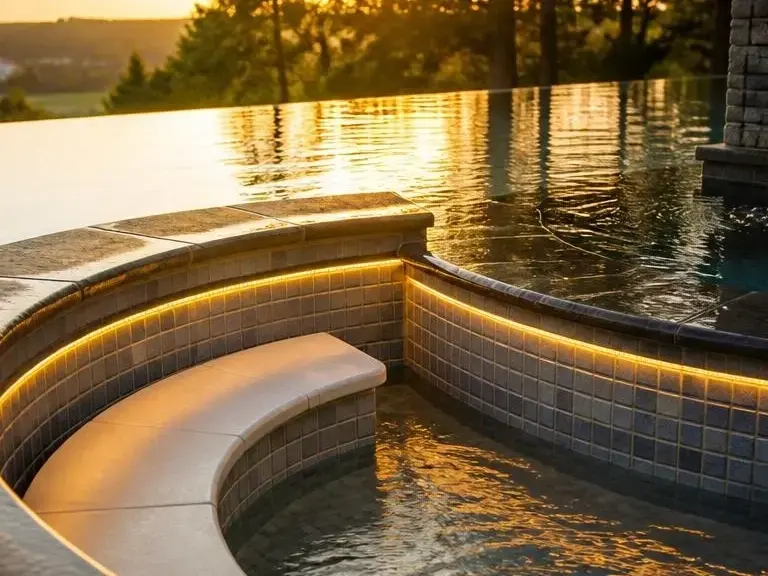
Pool renovation ideas usually focus on better looks, safety, comfort, and lower operating costs. Popular upgrades include new plaster or pebble finishes, updated waterline tile, LED lighting, automation, energy-efficient pumps, decking improvements, and better coping. The best ideas match the pool’s age, condition, and how the homeowner uses the space.
Many Sandy Springs homeowners use these upgrades as part of a larger pool update or pool restoration plan. The smartest choices usually combine style with function, especially when older systems need hidden repairs. That balance helps the investment look better and work better.
Pool Renovation Before and After: What Changes Most
Pool renovation before and after results usually show the biggest change in surface color, tile layout, decking condition, lighting, and equipment performance. A renovation can turn an aging, stained, or outdated pool into a cleaner, safer, more modern outdoor feature with better circulation and easier maintenance.
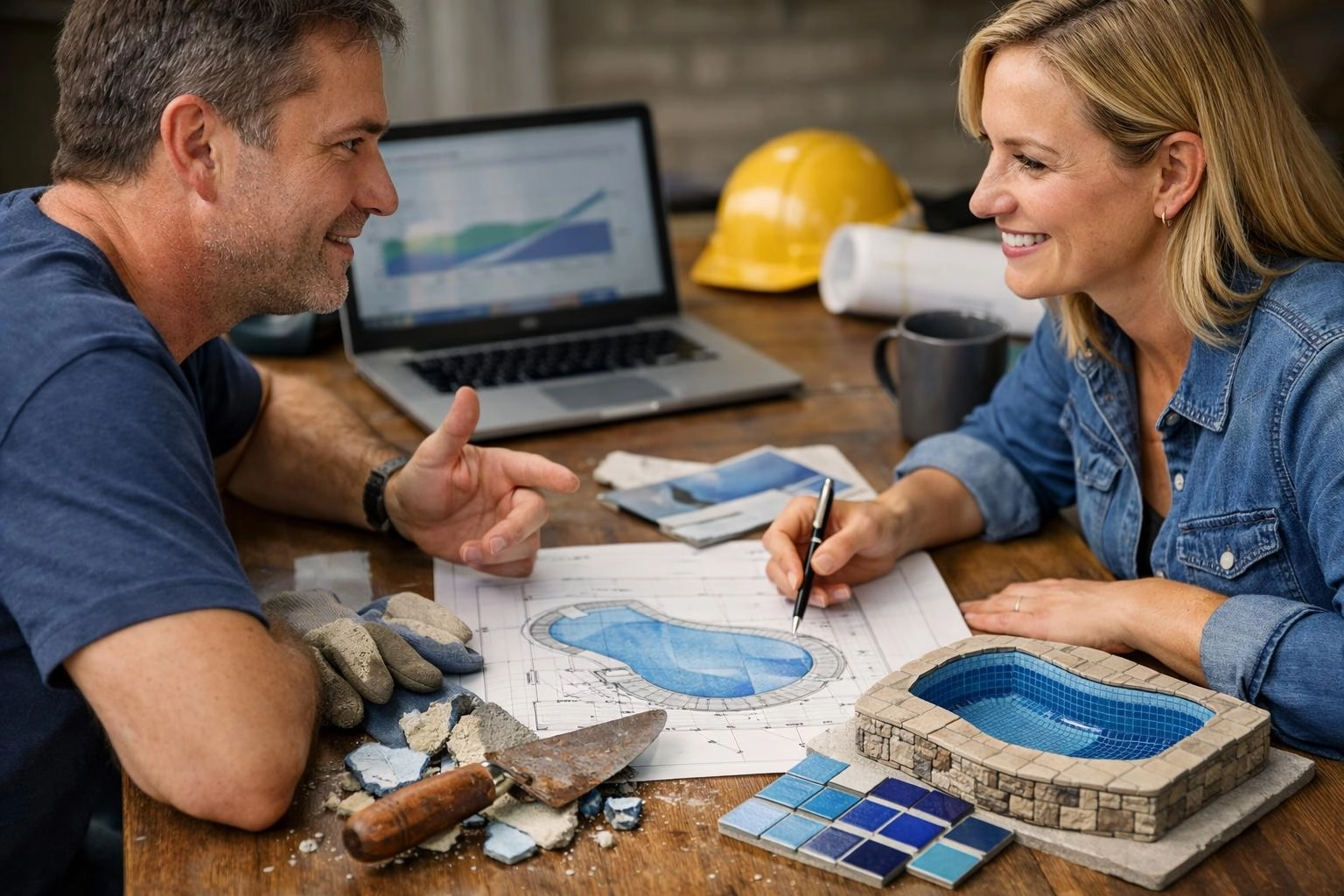
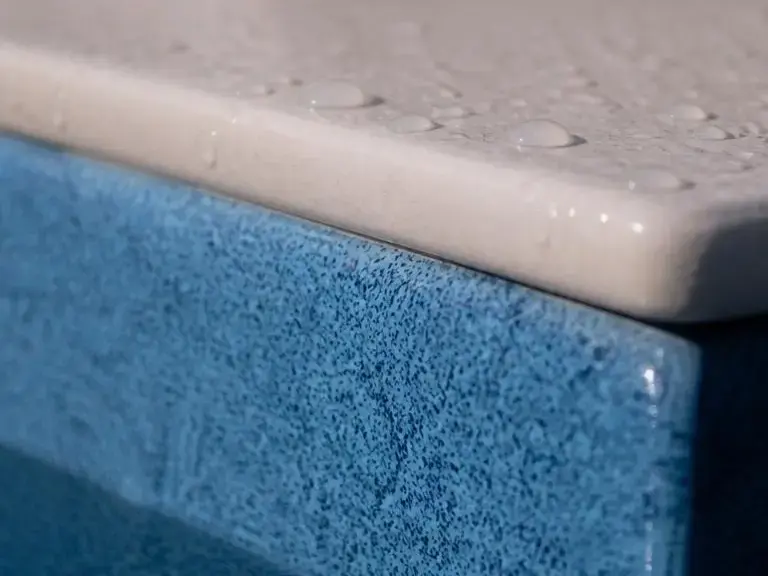
The visual change is often strongest when finish replacement, deck repair, and lighting upgrades happen together. New waterline tile can sharpen the pool’s edge, while fresh plaster or a pebble finish can make the water look brighter and more inviting. If the deck had cracks or drainage problems, fixing that surface improves both appearance and function.
Behind the scenes, the biggest improvement may be the equipment. Updated filtration, automation, and an energy-efficient pump can make daily care simpler and reduce wear on the whole system. That is why a true before-and-after change is not just cosmetic. It is also mechanical and structural.
Pool Renovation Pictures That Show Real Design Possibilities
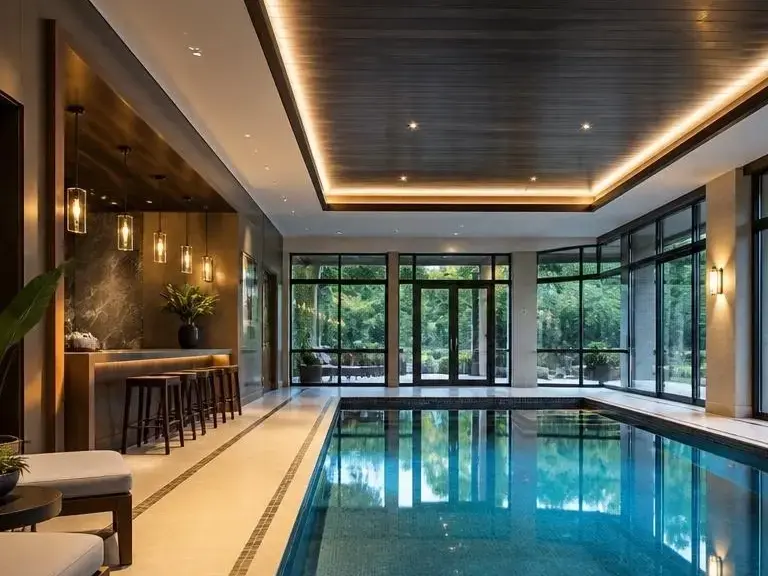
Pool renovation pictures help homeowners compare finish colors, tile styles, coping options, deck materials, and lighting effects before choosing a direction. The best photo galleries show real before-and-after examples so customers can picture how different renovation choices will look in a Sandy Springs backyard.
Ask to see projects similar in age and style to your own pool, especially if your home has older residential features or heavy tree cover. That makes the photos more useful than a generic showroom image. Real examples help homeowners choose with confidence.
How to Choose the Best Pool Renovation Company in Sandy Springs?
The best pool renovation company is the one that combines local experience, clear project management, strong references, detailed scopes, and proven skill with resurfacing, equipment, and structural repairs. In Sandy Springs, homeowners should choose a contractor that understands permitting, local scheduling pressures, and the needs of older residential pools.
If you want one starting point, compare detailed estimates from local pool renovation contractors and ask which one explains the process most clearly. That usually shows who can manage the visible work and the hidden details. For homeowners ready to move forward, the next step is usually a consultation through.
Frequently Asked Questions
Related Resources
Pool Renovation Checklist Before You Remodel
pool renovation checklist
What Goes With ItPool Renovation and Remodeling
Everything About ItPool Renovation and Pool Remodeling: Complete Guide
pool renovation and remodeling
What It CostsPool renovation cost in Sandy Springs, GA
pool renovation cost