What Is the Most Expensive Part of Building a Pool in Sandy Springs, GA?
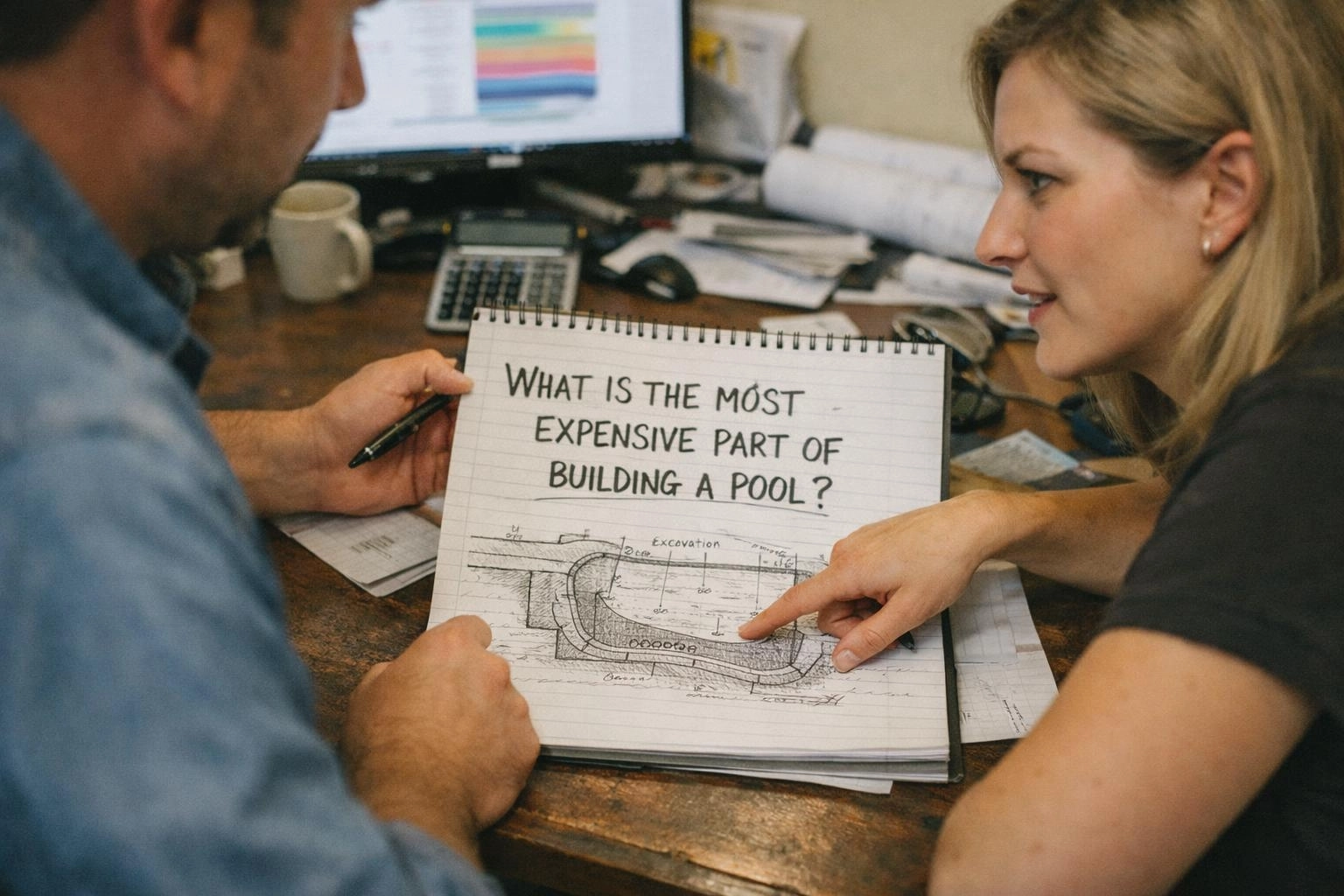
The most expensive part of building a pool is the underground work: excavation and structural construction. In Sandy Springs, GA, that cost can rise when the site needs more digging, more reinforcement, or a more complex shell. For concrete or gunite pools, the shell is often the single biggest cost because it requires specialized labor and engineering.
What Is the Most Expensive Part of Building a Pool?
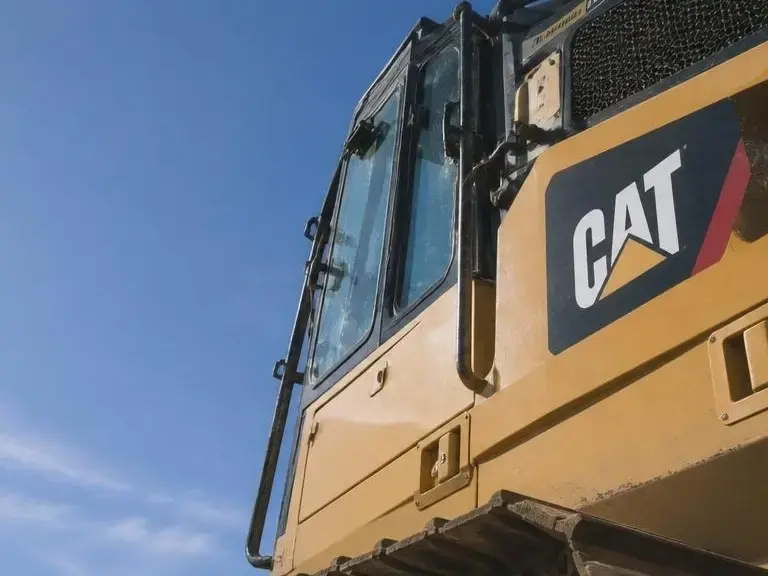
Excavation and structural construction That includes digging, shaping the site, reinforcement, and the structural shell, which all demand heavy equipment, skilled labor, and engineering.
The biggest cost driver is usually not the water you see at the end. It is the hidden work below grade: excavation, framing the basin, setting steel, and pouring or building the concrete shell. A pool cost breakdown often shows that finish materials and features matter, but they usually come after the core structure is complete. That is why labor costs, machine time, and inspection-ready work can outweigh tile or decking on many projects.
In Sandy Springs, site conditions can push this part even higher. Tight suburban backyards can limit site access, which makes equipment movement and staging harder. Clay-heavy or uneven soil can also increase grading and drainage work before the shell is set. When the lot needs more shaping, more haul-off, or more reinforcement, the underground work becomes the main expense in the pool construction cost.
What Is the Most Expensive Part of an Inground Pool?
For an inground pool, the shell and the structural build beneath the surface are usually the most expensive part. In concrete or gunite pools, that shell is often the single biggest component because it requires skilled crews, reinforced construction, and careful engineering to support the finished pool.
An inground pool starts with layout, excavation, and structural prep, then moves into the gunite shell or other core build method. The need for specialized labor makes this phase more costly than many homeowners expect. A gunite pool is not just a hole in the ground; it is a custom-built structure with steel, shotcrete or gunite application, and finishing layers that must all work together.
That is why the first large spend in an inground pool cost is usually below the surface, not on the surface. Once the shell is done, the project can move to plaster, coping, decking, and features, But the structural phase is where the budget often feels the most pressure, especially on a custom concrete shell built for shape, depth, and long-term durability.
Which Type of Pool Is the Most Expensive to Build?
The most expensive pool to build is usually a custom concrete or gunite pool, especially when it includes luxury features, complex shapes, or difficult site conditions. Compared with simpler pool types, these builds cost more because the shell, engineering, and labor are all more intensive.
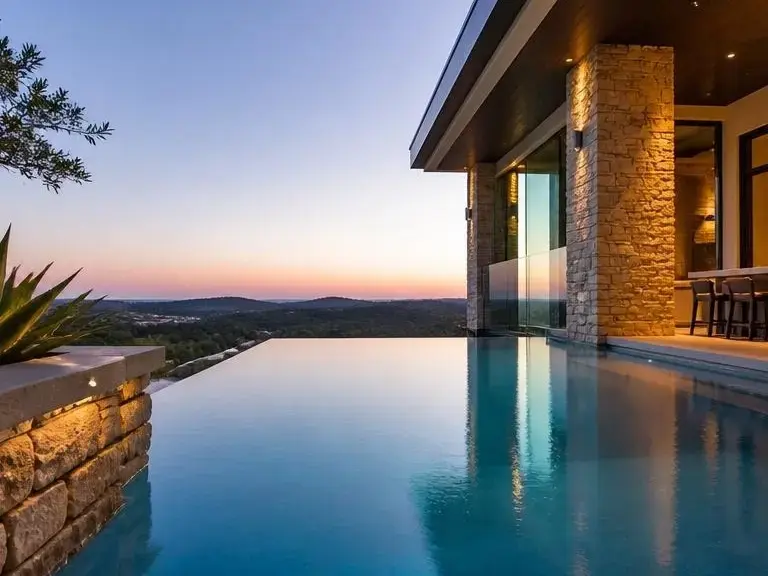
Luxury pools add expense fast. Curves, raised walls, spas, water features, vanishing edges, and custom lighting all increase design time and construction effort. A luxury pool with a unique layout needs more planning than a basic rectangle, and that extra design work often turns into higher material and labor costs. The more custom the project, the more the budget shifts toward premium construction.
In most cases, a standard fiberglass or simpler package-style pool will cost less than a fully custom concrete pool. But if a homeowner wants a dramatic design, a custom design, or a large build on a difficult lot, the premium option often becomes the most expensive path. That is especially true when engineering and shell reinforcement need to be upgraded for the site.
Typical Pool Cost Tiers in Sandy Springs, GA
Pool projects in Sandy Springs, GA usually fall into basic, standard, and premium tiers, with the biggest cost jump coming from excavation, shell construction, and customization. The more complex the design and the harder the site access, the more the project shifts toward the premium end of the budget.
| Tier | Typical price range | What it usually includes |
|---|---|---|
| Basic pool build | $55,000 to $80,000 | Simple layout, lighter customization, standard finish choices, and fewer add-ons |
| Standard pool build | $80,000 to $130,000 | More design options, upgraded decking, better finishes, and moderate site prep |
| Premium luxury pool | $130,000 and up | Custom shapes, luxury pool features, advanced drainage work, complex shell construction, and high-end materials |
These are typical planning ranges, not fixed quotes. A basic project can move up if the lot needs more drainage and grading, or if backyard access is tight. In a premium build, custom finishes and deeper structural needs can make the price climb quickly. That is why homeowners should think of these tiers as a starting point for budgeting, not a final bid.
What Makes Pool Construction More Expensive in Sandy Springs?
In Sandy Springs, pool construction gets more expensive when the lot needs extra excavation, grading, drainage work, or difficult equipment access. Those site conditions increase labor and machine time, which pushes the cost higher before the pool finish, decking, and features are even considered.
Local lot conditions matter a lot. Many suburban yards have limited room for trucks and machines, so site access can slow the job down. If the crew cannot stage equipment close to the dig area, it takes longer to move soil, form the shell, and place materials. That extra time directly affects the pool build cost and the overall schedule.
Soil and water management also play a big role. Clay-heavy or uneven ground in the Atlanta metro can require more grading and stronger structural prep for the pool shell. Local rainfall patterns make drainage planning important too, because standing water and runoff can damage the area around the pool. When drainage fixes are needed early, they raise the construction cost before finish work begins.
How Can You Lower the Cost of Building a Pool?
You can lower pool-building costs by keeping the shape simple, limiting custom features, planning the build in phases, and choosing finishes that fit the budget. Reducing excavation complexity and avoiding unnecessary add-ons can also keep the structural portion from becoming even more expensive.
Smart choices up front can keep a custom pool from becoming a budget strain. If you already know you want a larger project, ask where the structure can stay simple while still supporting future upgrades. That approach helps control construction cost without giving up long-term value.
Common Questions About Pool Building Costs
Most homeowners ask the same cost questions before they build, and the answer is usually the same: underground work and shell construction drive the price most. That is true for the pool installation cost, the pool construction cost, and the full project budget, especially when the design calls for a concrete pool shell.
The most expensive pool type is usually a custom concrete or gunite build. The most expensive part of installing a pool is often the excavation and structural phase, because that is where the heavy labor and engineering happen. If you are comparing pool types, think first about the shell, the site, and the amount of customization. Those factors shape the final budget more than many surface finishes do.
If you want a clearer number for your property, the next step is a site-specific estimate from a local pool builder that can evaluate access, soil, and drainage before pricing the rest of the work.